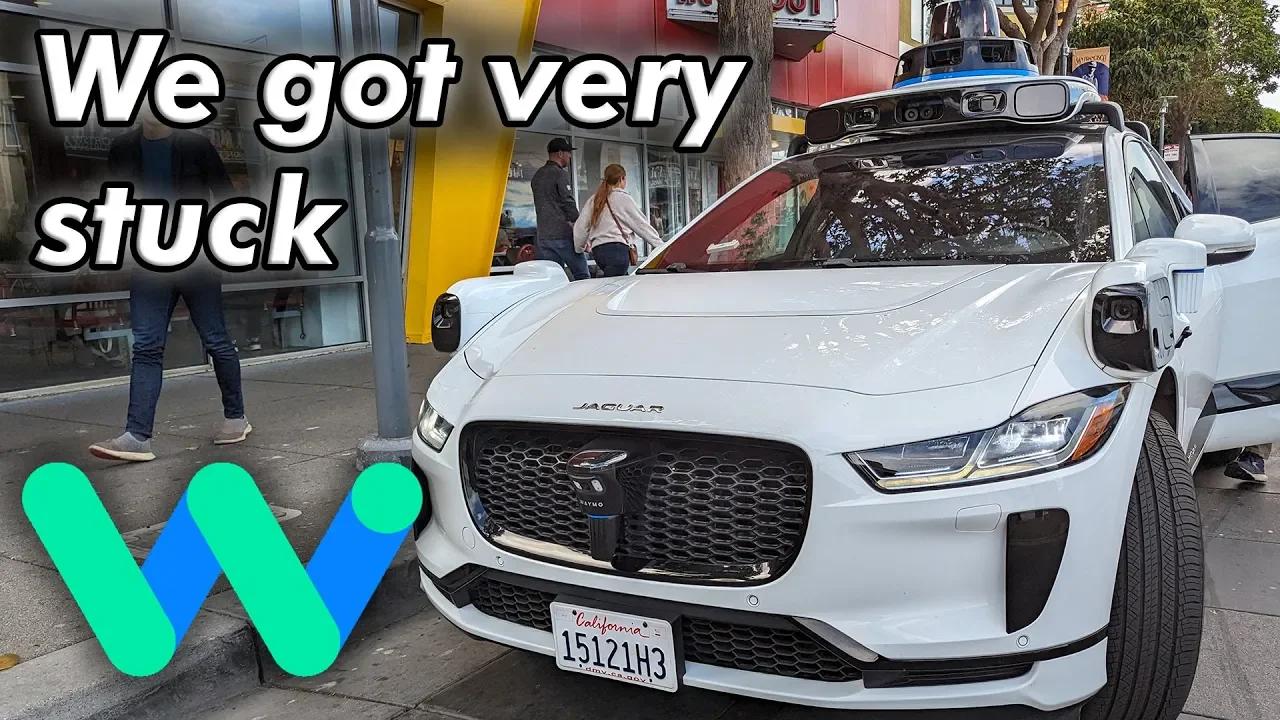
Introduction to Waymo
Waymo, a subsidiary of Alphabet Inc., is at the forefront of the autonomous vehicle revolution. Established in 2009, originally as part of the Google X project, Waymo’s mission is to make roads safer and improve mobility for people everywhere. As cities become increasingly congested and traffic accidents remain a pressing concern, Waymo’s advancements in self-driving technology are more relevant than ever. With ongoing developments in technology and regulatory frameworks, the implications of Waymo’s continued innovation are significant for both consumers and the automotive industry.
Recent Developments in Waymo’s Technology
Waymo has made substantial progress in its self-driving technology, including the development of the Waymo One service, a fully autonomous ride-hailing service launched in 2018. Recently, Waymo expanded its operations in Phoenix, Arizona, where the self-driving cars navigate complex urban environments without human intervention. This move is a crucial step towards further integrating autonomous vehicles into everyday commuter experiences. Furthermore, in September 2023, Waymo announced its agreement with Lyft to integrate their services, signalling a growing collaboration between traditional ride-sharing and autonomous technology.
Waymo’s Impact on the Transportation Sector
The potential impact of Waymo’s technology on the transportation sector is immense. Industry experts note that widespread adoption of self-driving vehicles could lead to a significant reduction in traffic accidents, lower transportation costs, and improved access to mobility for underserved communities. Additionally, as cities adapt to fewer cars on the road, urban planning may evolve to accommodate more public spaces and less reliance on individual car ownership.
Challenges and Future Outlook
Despite these advancements, Waymo faces challenges, including regulatory hurdles, public perception, and ethical considerations surrounding autonomous driving. Recent incidents involving self-driving vehicles have raised concerns about safety and liability, prompting further scrutiny from regulators. However, Waymo remains committed to transparency and safety, continuously refining its technology through extensive road testing and rigorous data analysis.
Conclusion
As Waymo continues to lead the charge in the self-driving space, its innovative approaches could redefine transportation as we know it. With ongoing collaboration, regulatory engagement, and a commitment to safety, Waymo’s future seems promising, signalling a new era for mobility. For consumers and investors alike, understanding Waymo’s journey is crucial, as its technological advancements will likely shape the future of transport in urban environments.