Introduction to Phishing
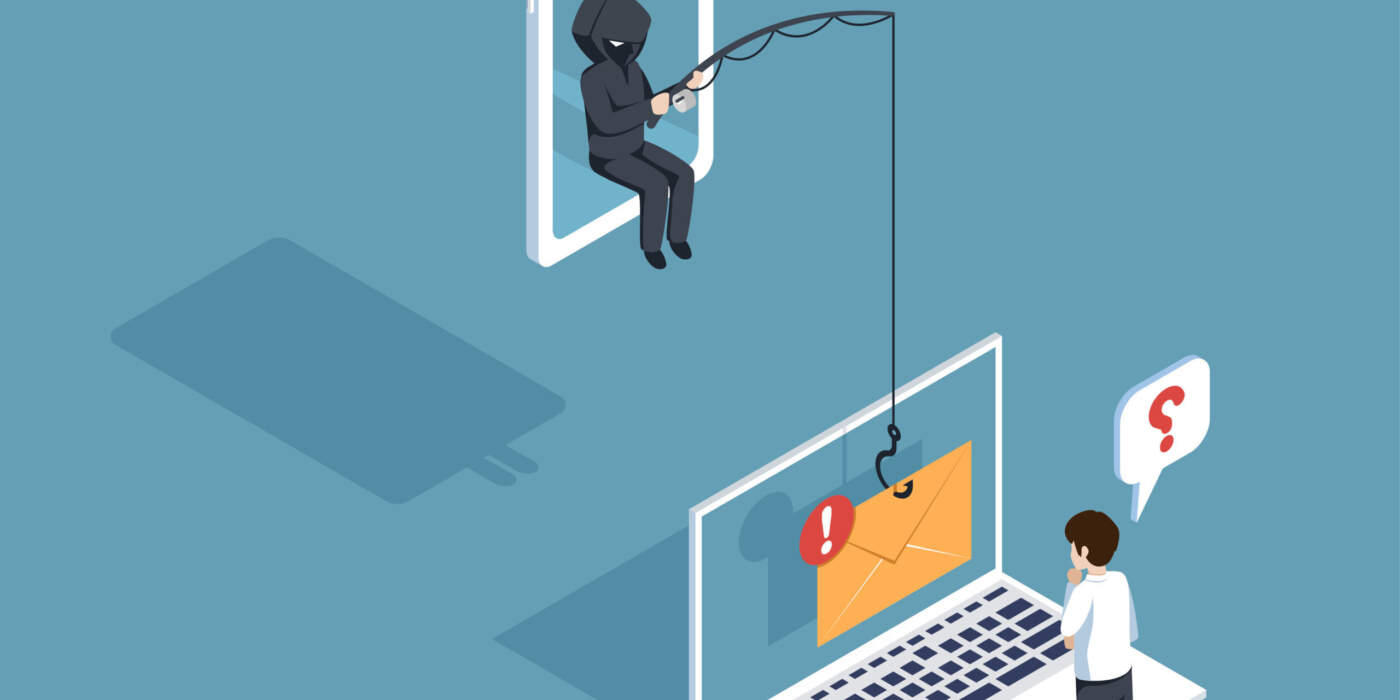
Phishing is a form of cybercrime that involves tricking individuals into providing sensitive information, such as usernames, passwords, and credit card details. With the increasing reliance on digital communication, understanding phishing has become essential to safeguarding personal and financial information. The relevance of this topic is underscored by the rise in phishing attacks globally, particularly in the wake of the COVID-19 pandemic, where online transactions and remote work increased significantly.
The Mechanics of Phishing
Phishing typically occurs through deceptive emails, messages, or websites that appear to be from trustworthy sources. Attackers use various tactics to create a sense of urgency or fear, compelling victims to act quickly without critically evaluating the request. A common example of phishing is an email that appears to be from a bank, inviting the recipient to verify their account details by following a link that leads to a counterfeit website designed to capture sensitive information.
According to the Anti-Phishing Working Group (APWG), there were over 200,000 reported phishing attacks in the first quarter of 2023 alone, indicating a growing trend. Fraudsters continuously evolve their methods, employing social engineering techniques to manipulate users. In many cases, these attacks exploit current events or crises, as seen with emails related to pandemic relief efforts or security warnings.
Consequences of Phishing
The impact of phishing can be severe, ranging from financial loss to identity theft. Victims may find their accounts drained or subjected to unauthorized transactions. According to the Federal Trade Commission (FTC), Americans lost nearly $1.9 billion to fraud in 2022, with a significant portion attributed to phishing attacks. Beyond financial implications, organisations also face reputational damage and loss of customer trust when data breaches occur.
Preventing Phishing Attacks
Raising awareness is crucial in combating phishing. Individuals should be educated about recognising suspicious elements in emails, such as generic greetings, spelling mistakes, and unusual URLs. Implementing two-factor authentication adds an additional layer of security, making it more difficult for attackers to gain access to accounts even if login credentials are compromised. Furthermore, organisations must provide regular training to employees, ensuring they are equipped to identify potential phishing attempts.
Conclusion: The Ongoing Battle Against Phishing
Phishing remains a significant threat in today’s digital landscape, affecting individuals and organisations alike. While technology continues to advance, so do the tactics of cybercriminals. Therefore, continuous education, scepticism towards unsolicited communications, and robust security protocols are imperative to defend against phishing attacks. By staying informed and taking preventative measures, individuals can protect themselves in an increasingly interconnected world.