Introduction
Sudden stratospheric warming (SSW) is a dramatic weather phenomenon that has significant implications for climate and weather patterns. Occurring when the polar stratosphere experiences a rapid increase in temperature, usually during winter months, SSW events can disrupt the normal flow of the jet stream and lead to extreme weather conditions across the globe. Understanding SSW is crucial for weather forecasting and climate science as it offers insights into the complex interactions between atmospheric layers.
What Causes Sudden Stratospheric Warming?
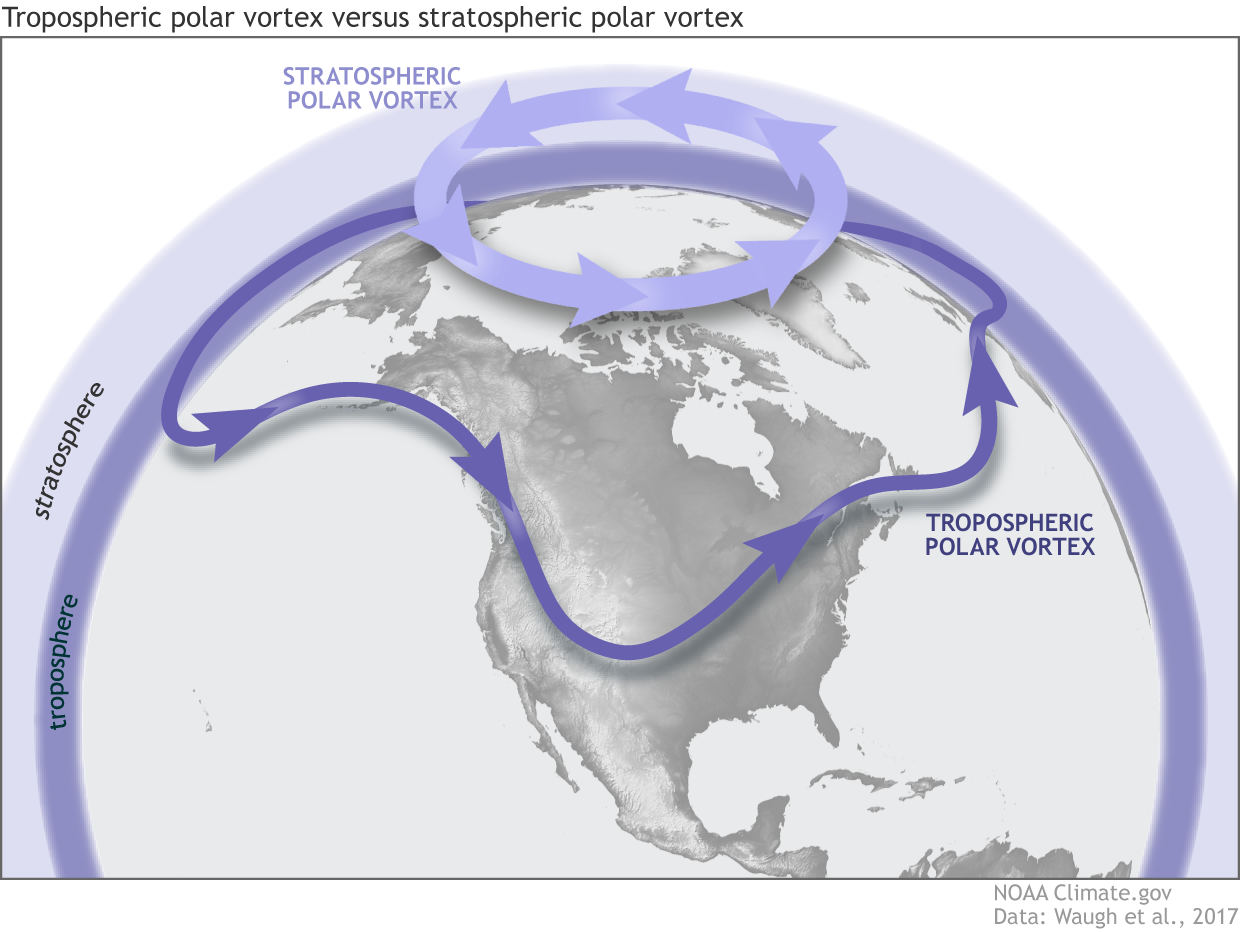
SSW occurs primarily due to the interaction between the troposphere (the lowest layer of the atmosphere) and the stratosphere above it. During winter, changes in wind patterns can lead to the displacement of the polar vortex, a large area of low pressure and cold air surrounding the poles. When warm air from the troposphere invades the stratosphere, it can lead to rapid warming – sometimes by up to 50 degrees Celsius in just a few days. The warm air disrupts the polar vortex, resulting in split or weakened jet streams.
Impacts of Sudden Stratospheric Warming
The consequences of SSW can be far-reaching. One of the most immediate effects is an alteration in weather patterns, particularly in the Northern Hemisphere. For example, after an SSW event, regions including Europe, the United States, and Asia may experience colder temperatures, increased snowfall, and more extreme weather events. This was observed during the SSW events in January 2021, which brought severe winter weather to many areas. The disruption in the polar vortex can also lead to unusual heatwaves in other regions, showcasing the complexity and interconnectedness of Earth’s climate systems.
Recent Developments in Research
Recent studies have been focused on the frequency and intensity of SSW events, especially in the context of climate change. Researchers have indicated that while SSW events occur naturally, their frequency may be influenced by global warming. Improved climate models aim to better predict SSW occurrences to provide timely warnings about potential weather impacts. With advancements in satellite technology and atmospheric monitoring, scientists are gaining a better understanding of these phenomena and their implications for future climate scenarios.
Conclusion
Sudden stratospheric warming is an essential topic for meteorologists, climatologists, and indeed anyone interested in the dynamics of our atmosphere. As SSW events become more prevalent, comprehending their role in influencing global and regional weather patterns remains crucial. Continued research and monitoring are vital for improving forecasting abilities and adapting to the changing climate. As we delve deeper into the complexities of our atmosphere, understanding SSW will play a key role in safeguarding communities against the impacts of extreme weather.