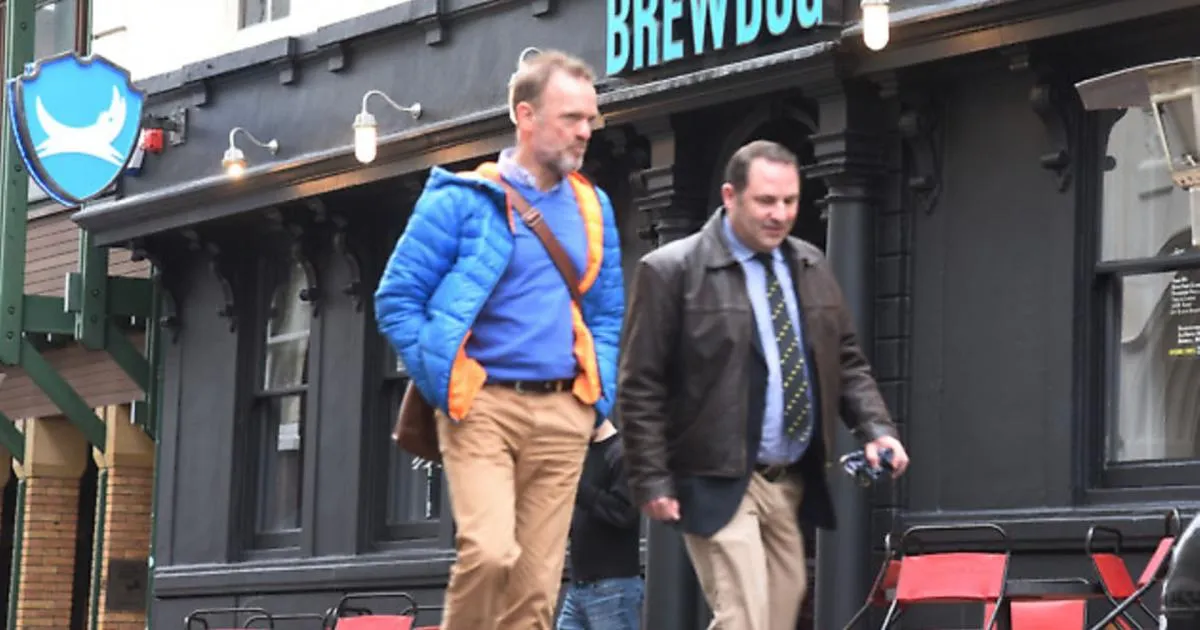
BrewDog, the popular craft beer company, has faced significant challenges in the brewing and hospitality sectors, leading to its recent distressed sale. Before the sale, BrewDog owed over £500 million in debt to creditors, with total book debts amounting to £553.8 million. This financial strain forced the company to make tough decisions, including the closure of several UK locations.
On March 2, 2026, BrewDog completed its sale to Tilray Brands for £32.9 million. This sale included £10.1 million for intellectual property and £15 million for plant and machinery. However, the sale has left unsecured creditors in the UK owed nearly £400 million, while secured creditors, including HSBC, are facing a shortfall of around £85 million.
James Watt and Martin Dickie, co-founders of BrewDog, owned 19.15% and 21.12% of the company’s shares, respectively, at the time of administration. AlixPartners, the firm overseeing the administration, stated, “On this basis, any shares essentially have no value.” This stark assessment highlights the dire financial situation BrewDog finds itself in.
As part of the transition, BrewDog announced earlier this month that it would be closing many of its UK locations following the sale. The future of the BrewDog site in Norwich is particularly uncertain after this announcement, leaving employees and patrons concerned about what lies ahead.
Details remain unconfirmed regarding potential returns to creditors from the sale of BrewDog’s international operations. Observers are keen to see how the new ownership will navigate the challenges ahead and whether BrewDog can regain its footing in the competitive craft beer market.