Introduction
Almería, a captivating province in the southern region of Spain, has recently gained significant attention for its unique blend of historical heritage, breathtaking landscapes, and vibrant culture. Nestled along the Mediterranean coastline, this lesser-known gem offers much more than its striking beaches; it serves as a focal point for agriculture, tourism, and film history in Spain.
The Rich History of Almería
Almería boasts a rich historical tapestry that dates back to the Phoenician and Roman eras. The city itself is home to the iconic Alcazaba, a fortress constructed in the 10th century, which served as a protective stronghold during the Muslim rule of Spain. This historical monument is one of the best-preserved Moorish fortifications in the country, attracting history enthusiasts and tourists alike. In addition to the Alcazaba, the Cathedral of Almería, built in the 16th century, stands as a testament to the region’s architectural diversity and religious significance.
Cultural and Natural Attractions
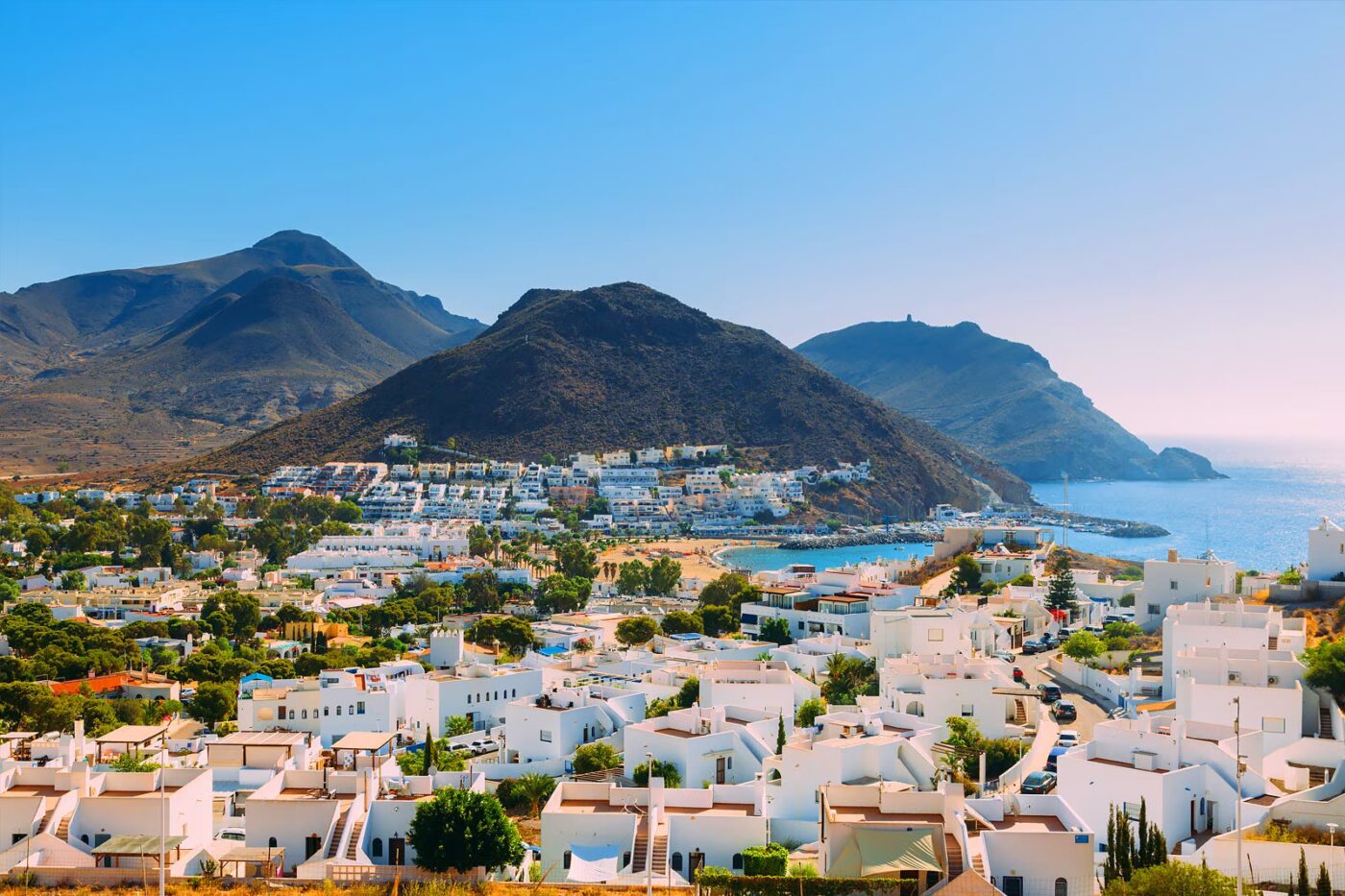
Beyond its historical importance, Almería is renowned for its spectacular natural landscapes. The Cabo de Gata-Níjar Natural Park offers a stunning juxtaposition of rugged cliffs, pristine beaches, and diverse marine life, making it a hotspot for outdoor activities such as hiking, diving, and birdwatching. The park’s unique ecosystem has recently attracted attention for its ecological significance and is a UNESCO Biosphere Reserve.
Almería also has a vibrant cultural scene, with numerous festivals throughout the year that celebrate local customs and traditions. The Feria de Almería, held in August, showcases music, dancing, and gastronomy, giving visitors a taste of authentic Andalusian culture.
Recent Developments and Future Prospects
Recently, the province has seen an increase in investments aimed at boosting tourism and improving infrastructure, making it more accessible to international visitors. The local government has been actively promoting its alternative tourism offerings, such as eco-tourism and gastronomic tours, highlighting local culinary delicacies like tapas and wines produced in the arid climate of the region.
Conclusion
With its rich heritage, stunning natural beauty, and growing cultural scene, Almería stands out as a destination that merits further exploration. As investments in tourism and infrastructure continue to rise, the future looks promising for this enchanting region. For those seeking a unique travel experience that merges history, culture, and nature, Almería is fast becoming an essential stop on the map of Spain.