Introduction
Bulgaria, located in Southeast Europe, has emerged as a significant focal point due to its rich cultural history, stunning landscapes, and strategic position on the Balkan Peninsula. With a heritage that dates back to the Roman Empire and the thriving culture of the Thracians, Bulgaria offers both residents and tourists an opportunity to explore a land steeped in history and natural beauty.
A Rich Tapestry of History
Bulgaria’s history is a mosaic of cultural influences from the East and West. The establishment of the First Bulgarian Empire in the 7th century marked the beginning of a powerful and influential state. The Cyrillic alphabet, still in use today by many Slavic nations, was developed by Bulgarian scholars, showcasing the country’s historical significance in shaping regional literacy and culture.
Archaeological findings, such as those in Plovdiv and Nessebar, display a timeline of habitation from prehistoric times through the Roman and Ottoman periods. The recent discovery of Thracian treasure in various regions continues to excite historians and archaeologists, bringing new attention to Bulgaria’s ancient past.
Natural Beauty and Tourism
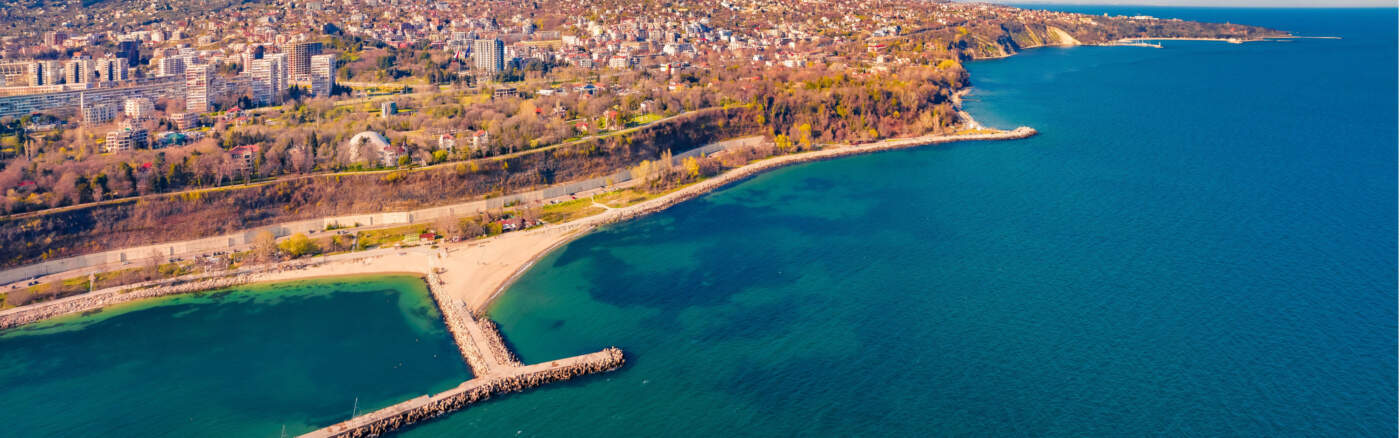
Bulgaria is known for its diverse landscapes that boast mountains, plains, and a beautiful coastline along the Black Sea. Pilgrimage sites like the Rila Monastery, a UNESCO World Heritage site, attract both religious tourists and adventurers alike. The country’s national parks, such as Rila and Pirin, offer stunning hiking trails that appeal to nature lovers and outdoor enthusiasts.
Tourism has flourished, especially with the government promoting eco-tourism and cultural experiences. Cities like Sofia, Varna, and Burgas are developing rapidly, with modern facilities that cater to a growing number of visitors each year. Recent reports indicate a 10% increase in tourism in 2023 compared to previous years, with visitors drawn to both the historical sites and the natural wonders Bulgaria has to offer.
Conclusion
Bulgaria stands at a crossroads of tradition and modernity, making it a significant player in Eastern European culture. Its deep-seated historical roots, combined with breathtaking landscapes and growing tourism infrastructure, promise a bright future for the nation’s economy and international presence. As visitors continue to flock to this unique country, Bulgaria’s significance on the European stage will only continue to grow, inviting exploration, appreciation, and respect for its rich heritage.