Introduction
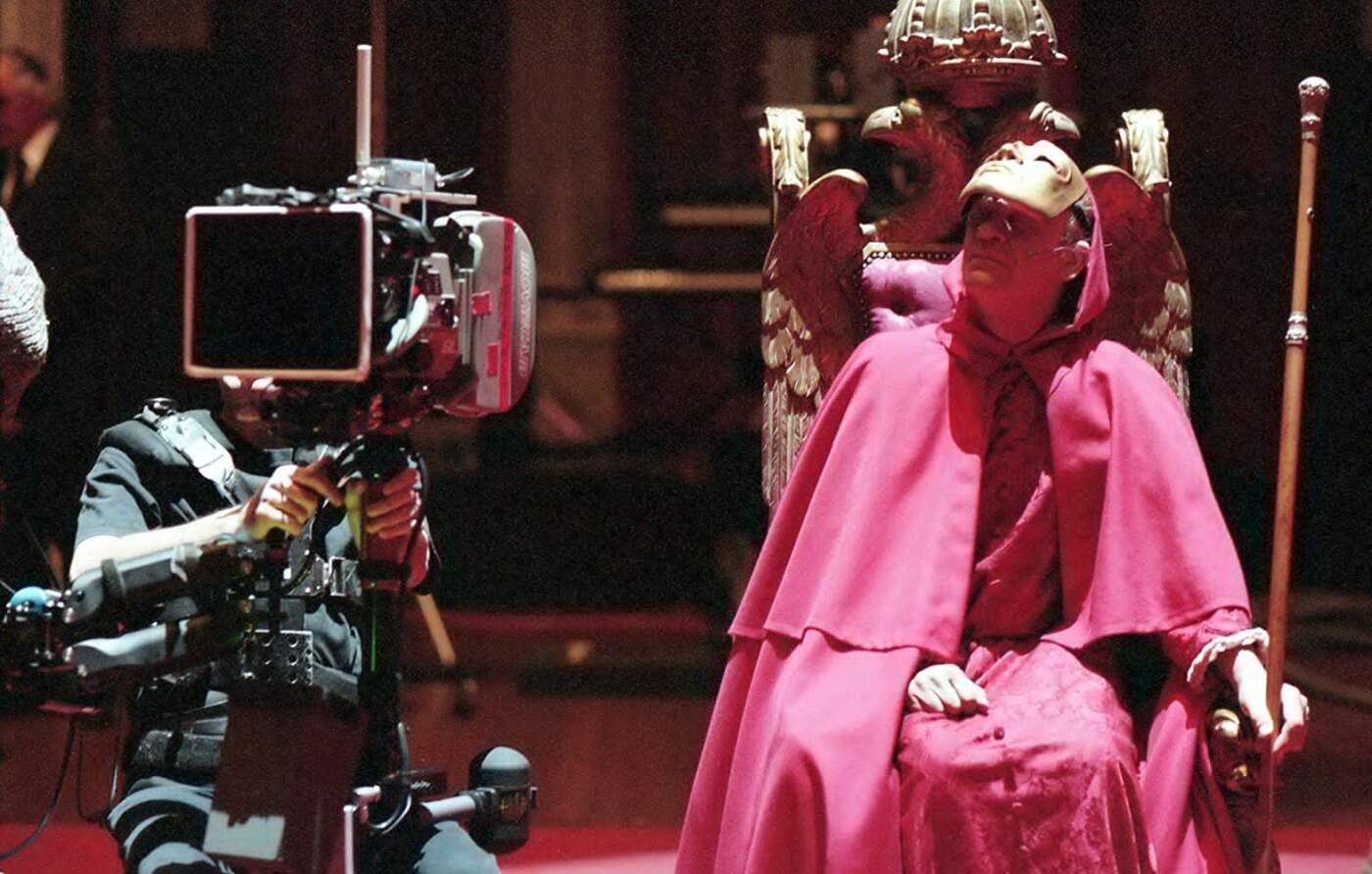
Released in 1999, Stanley Kubrick’s ‘Eyes Wide Shut’ remains a significant film in cinematic history, revered for its complex narrative and thought-provoking themes. As one of Kubrick’s final films, it combines elements of art, psychology, and sexuality, pushing boundaries within the film industry. The relevance of ‘Eyes Wide Shut’ extends beyond its release; it continues to be a topic of discussion among film scholars and enthusiasts alike, making it a cultural touchstone that merits further exploration.
The Plot and Themes
‘Eyes Wide Shut’ follows the story of Dr. Bill Harford, played by Tom Cruise, who embarks on a surreal odyssey after his wife, Alice (Nicole Kidman), expresses her sexual fantasies. The film explores themes of jealousy, fidelity, and the hidden facets of human desire. The narrative is laden with symbolism and enigmatic imagery, inviting viewers to question reality and the subconscious mind. Kubrick’s meticulous attention to detail, coupled with the dream-like sequence of events, creates an unsettling atmosphere designed to provoke thought and stimulate discussion.
Cinematic Techniques
Kubrick’s unique directorial style is evident in ‘Eyes Wide Shut’, which employs various techniques to enhance the storytelling experience. The use of lighting, especially the contrasts between dimly lit interiors and the vibrant hues of the outside world, serves to underline the tension between fantasy and reality. The haunting score by composer Jocelyn Pook, particularly the use of choral music, adds another layer of psychological complexity to the film.
Cultural Impact
‘Eyes Wide Shut’ has sparked debate and analysis since its release, influencing filmmakers and artists across various media. Its harrowing exploration of intimacy and secrecy echoes in modern cinema, while its portrayal of elite social circles and hidden desires resonates with contemporary discussions about privilege and power structures. The film’s controversial themes have made it a frequent subject in academic studies, with many seeking to decode its underlying messages.
Conclusion
The enduring legacy of ‘Eyes Wide Shut’ is a testament to Kubrick’s talent as a filmmaker and his ability to provoke critical thought through cinema. As debates around the film continue, it is clear that its exploration of human desire, fidelity, and the nature of reality remains relevant in today’s society. For audiences, revisiting ‘Eyes Wide Shut’ offers an opportunity to reflect on personal perceptions of intimacy and the masks we wear in our relationships. As we move forward, the film’s rich layers and complex themes promise to engage future generations of viewers in profound ways.