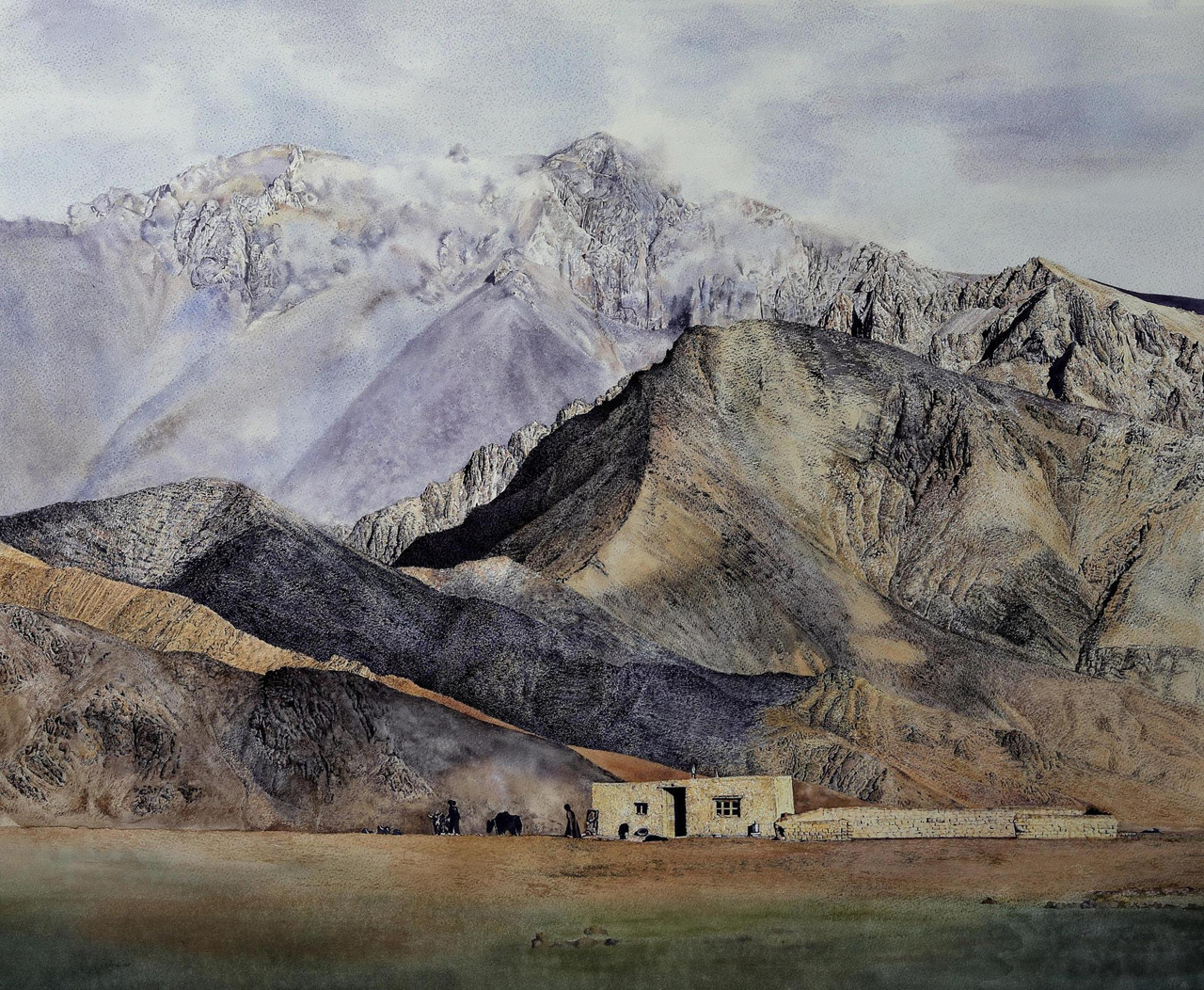
The Importance of Tibet
Tibet, often referred to as the “Roof of the World,” is a region that holds immense geographical, cultural, and spiritual significance. Located in Central Asia, it is home to Mount Everest and numerous other towering peaks of the Himalayas. Tibet’s unique culture, deeply rooted in Buddhism, attracts thousands of pilgrims and tourists, making it a focal point for spiritual exploration and natural beauty. However, the region is also a site of ongoing political tension and discussion around human rights, especially in light of its historical relationship with China.
Geographical Features
Tibet spans an area of over 1.2 million square kilometers, characterized by its high plateau and stunning mountain ranges. With elevations that average over 4,500 metres above sea level, Tibet features a diverse range of ecosystems, from towering snowy peaks to lush valleys. The region is also home to some of the world’s most significant rivers, including the Indus, Brahmaputra, and Yangtze, which originate from its glaciers.
Cultural Heritage
The cultural landscape of Tibet is rich and multifaceted. Tibetan Buddhism plays a crucial role in daily life, influencing not only spiritual practices but also art, literature, and dance. Festivals such as Losar (Tibetan New Year) and Saga Dawa (commemoration of the birth of Buddha) are celebrated with great enthusiasm, drawing participants from various regions. The traditional Tibetan medicine, known for its holistic approach, and the unique Tibetan script are other significant aspects of its culture.
Current Socio-Political Climate
In recent years, Tibet has remained a subject of international discourse due to its political status. Since its incorporation into the People’s Republic of China in the 1950s, Tibetans have expressed concerns over human rights abuses and cultural suppression. The Dalai Lama, the spiritual leader of Tibetan Buddhism, continues to advocate for greater autonomy and the preservation of Tibetan culture, despite living in exile.
Conclusion
The future of Tibet remains uncertain, with ongoing discussions about its cultural preservation and political rights. For travellers and global citizens alike, understanding Tibet’s rich heritage alongside its current challenges is essential. As interest in Tibet continues to grow, it invites a nuanced exploration of its complexities—celebrating its rich culture while recognising the need for awareness and dialogue regarding its future. The landscape of Tibet is not just a geographical marvel; it is a profound narrative of resilience and identity that continues to evolve.