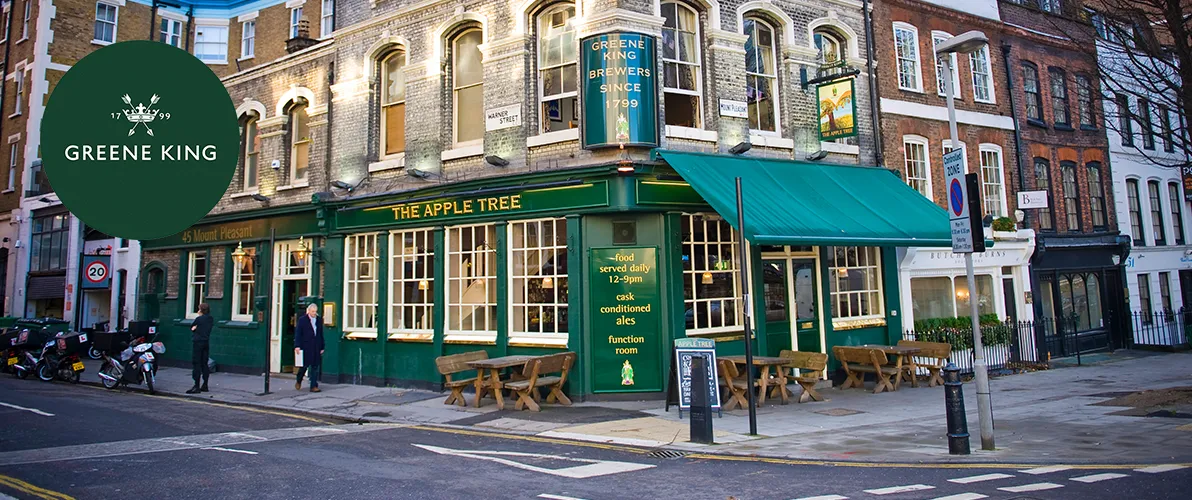
As Greene King navigates the challenges of a changing economic landscape, the company is considering the sale of 150 pubs across the United Kingdom. This decision comes in response to rising employment costs, high inflation, and a notable drop in consumer demand. Greene King, a historic brand founded in 1799 in Bury St Edmunds, currently operates around 2,500 pubs nationwide.
On March 19, 2026, Greene King announced plans to convert 150 of its venues into tenanted or franchised pubs, marking a significant shift in its operational strategy. Alongside this, the company has earmarked around 20 pubs for closure, a necessary step to streamline operations and focus on profitability.
Nick Mackenzie, the company’s CEO, expressed confidence in this new pub estate strategy, stating, “We are confident our new pub estate strategy will set us up to deliver sustainable profitable growth for the long-term as consumer habits continue to evolve and the operating environment remains dynamic.” This approach aims to double down on investment and growth, ensuring Greene King remains a competitive player in the hospitality sector.
In addition to the planned sales and closures, Greene King has flagged around 300 sites for a different operational model, indicating a broader restructuring effort. The funds raised from these disposals are intended to be reinvested into the company’s core estate, further enhancing its long-term viability.
Greene King Pub Partners recently celebrated a milestone, reaching 100 franchise pubs in 2026. This expansion into franchising is part of the company’s strategy to adapt to changing market conditions, including plans to extend franchise operations into Wales and the Southwest of England.
In a notable leadership change, Zoe Bowley has decided to step down as managing director. Mackenzie noted, “Zoe has decided that now is the right time for her to step down, but she will continue to support the business through a period of transition.” This transition period is crucial as Greene King implements its new strategies.
As the community watches these developments unfold, the implications of Greene King’s restructuring are significant. The potential sale of pubs and shift towards franchising could reshape the local pub landscape, impacting not only the company but also the communities that rely on these establishments for social interaction and employment.
While the details of the restructuring remain unconfirmed, the focus on profitability and adaptation to consumer preferences signals a proactive approach by Greene King. The company’s efforts to modernize its operations could pave the way for a more sustainable future in the ever-evolving hospitality industry.