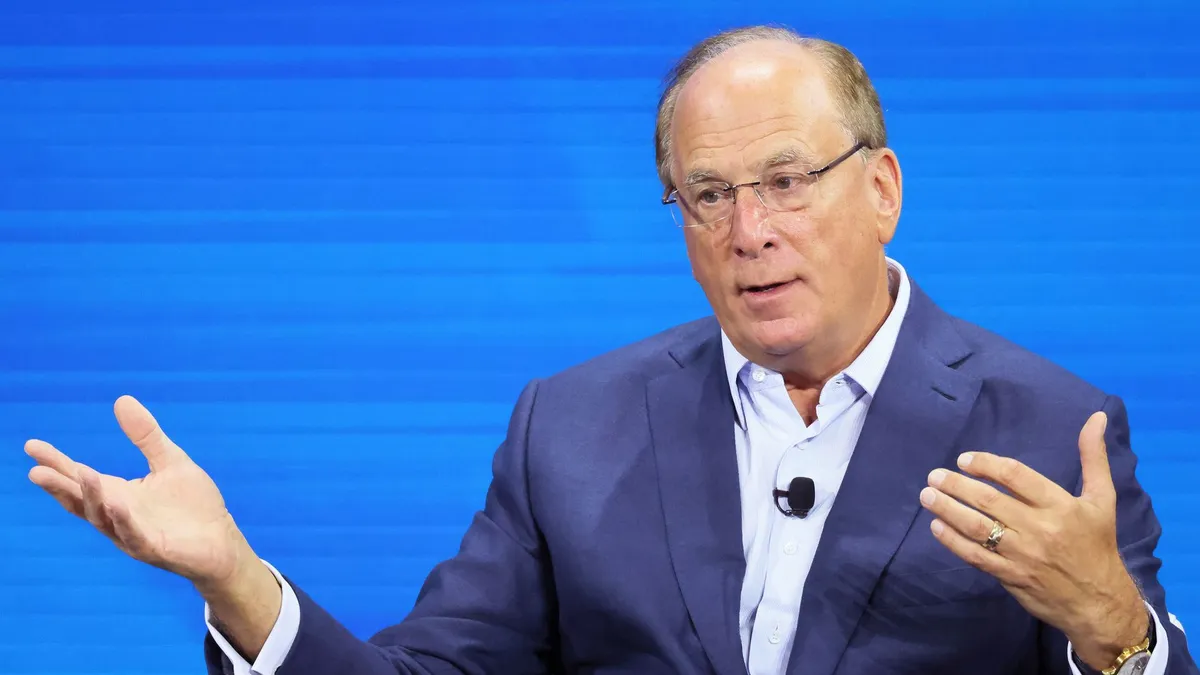
In recent years, the economic landscape has been shifting dramatically, with the rise of artificial intelligence (AI) capturing the attention of investors and policymakers alike. Before this development, many viewed the AI boom as a purely positive force for economic growth, with expectations that it would create new jobs and opportunities. However, Larry Fink, the CEO of BlackRock, a $14 trillion asset manager, has raised alarms about the potential downsides of this technological advancement.
Fink’s decisive moment came when he warned that the AI boom risks widening inequality, emphasizing that the massive wealth generated over generations has primarily benefited those who already owned financial assets. He pointed out that AI could exacerbate a ‘K-shaped’ economy, where the rich get richer while others struggle to keep up.
As Fink articulated, “AI will create significant economic value. Ensuring that participation in that growth expands alongside it is both the challenge and the opportunity.” This perspective highlights the need for a more inclusive approach to economic growth, one that allows a broader segment of the population to benefit from advancements in technology.
Fink’s call for action is particularly poignant given the current economic climate. Rising housing costs and stricter lending rules have made home ownership increasingly difficult for many families. He noted that only 67% of shareholders approved his annual pay of $30.8 million last year, which underscores the growing scrutiny of wealth distribution among corporate leaders.
In light of these challenges, Fink urged individuals to invest in stocks rather than solely focusing on home ownership. He believes that bringing more people into capital markets is essential for sharing in economic growth, stating, “We need to now rebalance that approach.” This shift in focus could help address the disparities that have emerged as a result of the AI boom.
Fink’s insights resonate with many experts who are concerned about the widening gap between asset owners and those who do not have access to investment opportunities. He emphasized, “If you no longer believe your job is a path to success, believe that you can’t afford a home, or believe that even if you can, it won’t build a lot of wealth, then the economy doesn’t feel like it’s working for you.” This sentiment reflects a growing frustration among those who feel left behind in the current economic environment.
As the conversation around AI and economic inequality continues, it is clear that the stakes are high. Fink’s warnings serve as a reminder that while technology can drive growth, it is crucial to ensure that its benefits are shared equitably across society. The challenge now lies in finding ways to foster inclusive economic participation in an increasingly automated world.
Details remain unconfirmed regarding specific policy measures that may arise from these discussions, but the urgency of addressing economic inequality in the context of AI is undeniable. As communities grapple with these issues, the voices of leaders like Larry Fink will be vital in shaping a more equitable future.