Introduction
The emergence of the Nipah virus outbreak in India has raised significant public health concerns, especially as the country continues to grapple with various infectious diseases. Nipah virus, which is known for its high mortality rate, poses a serious threat to both human health and the healthcare system. This is especially relevant given the recent reports and updates on the outbreaks, highlighting the need for heightened awareness and preparedness.
Current Situation
As of October 2023, India has reported a spate of Nipah virus infections primarily in the southern state of Kerala. The state health department confirmed several cases involving individuals who displayed symptoms consistent with Nipah infection. Health officials have initiated extensive contact tracing and monitoring to contain the spread of the virus.
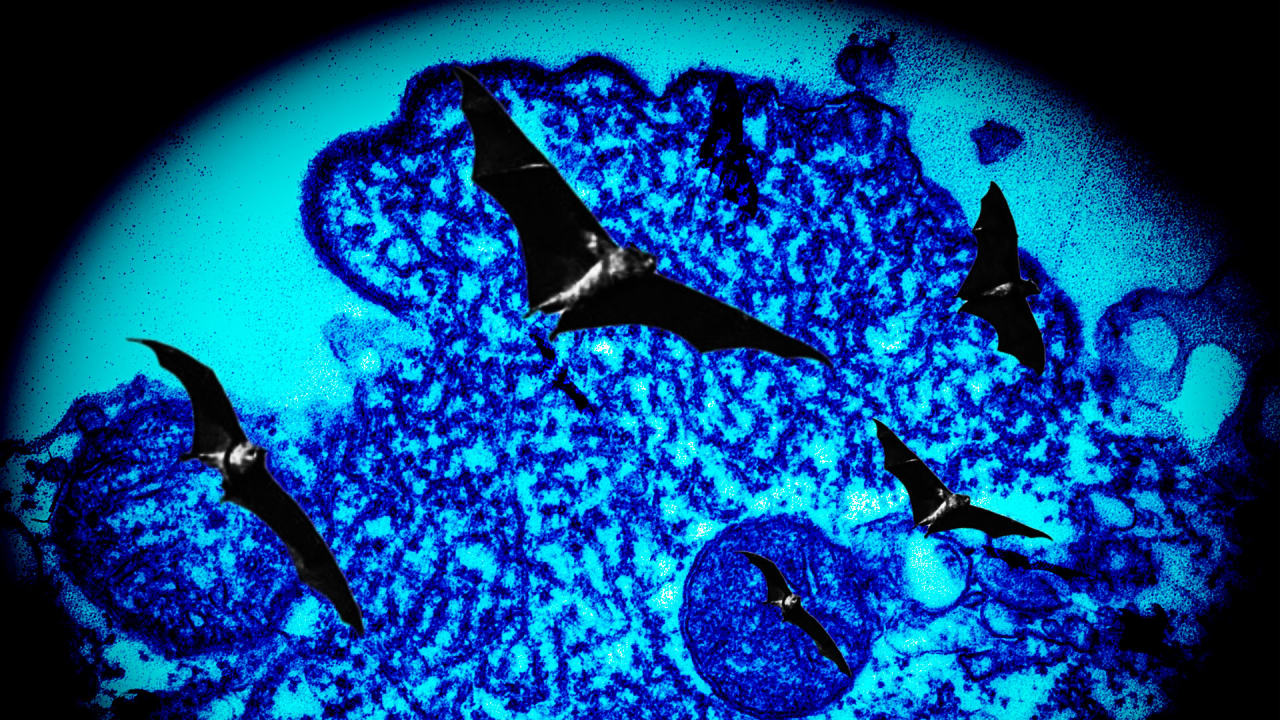
The Nipah virus, first identified in 1999 in Malaysia, is transmitted from animals such as bats to humans. It can cause severe respiratory illness, encephalitis, and can have a fatality rate ranging from 40% to 75%. In the past, India has experienced sporadic outbreaks, but the current situation has prompted enhanced surveillance and preventive measures.
Government Response
In response to the outbreak, the Indian government has set up isolation wards in hospitals equipped to deal with viral infections. Health authorities are urging the public to remain vigilant, adhering to hygiene practices, and to avoid consumption of fruits that might be contaminated by bats. Farmers and residents in the rural areas have been advised to report any unusual animal deaths to the veterinary services.
Preventive Measures
Public health experts emphasize the importance of community engagement in preventing the spread of the Nipah virus. Educational campaigns have been launched to inform the public about the symptoms of the virus and the need for early medical consultation. Vaccination for domesticated animals and strengthened biosecurity measures are also underscored.
Conclusion
The ongoing Nipah virus outbreak in India serves as a stark reminder of the importance of surveillance, rapid response, and community awareness in the face of emerging infectious diseases. As the situation evolves, it is crucial for the public to stay informed and adhere to health guidelines issued by authorities. The collaboration between state and central health agencies, along with community involvement, will be vital in controlling the outbreak and preventing future occurrences of this deadly virus.