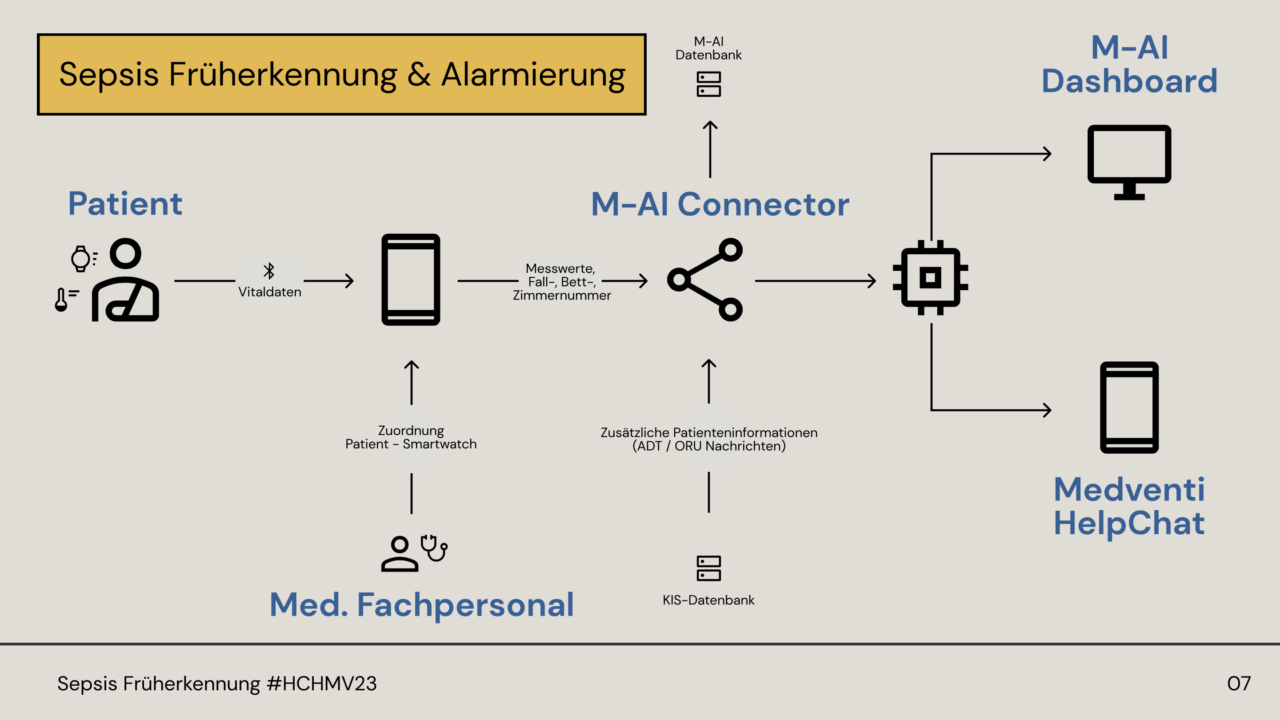
Introduction to Sepsis
Sepsis is a life-threatening condition that arises when the body’s response to an infection injures its tissues and organs. It is crucial to understand sepsis as it can develop quickly, leading to septic shock, organ failure, or death. According to the World Health Organization, sepsis affects millions worldwide and is a leading cause of mortality in hospitals. Awareness and prompt treatment can significantly improve outcomes.
What Causes Sepsis?
Sepsis can result from various infections, including pneumonia, urinary tract infections, and infections from wounds. The body’s immune response tries to fight these infections, but it can overreact. This overwhelming response can disrupt blood flow, leading to various complications, including organ failure.
Symptoms of Sepsis
Early recognition of sepsis is vital. Symptoms often resemble those of an infection but can escalate quickly. Common signs include:
- High fever or low body temperature
- Rapid heart rate and breathing
- Confusion or disorientation
- Severe pain or discomfort
- Skin rash or discoloration
If these symptoms are identified alongside a known infection, immediate medical attention is crucial.
Diagnosis and Treatment
Healthcare professionals diagnose sepsis through a combination of medical history, physical examination, and various tests, including blood tests and imaging studies. Treatment typically involves hospitalisation, where patients receive intravenous antibiotics, fluids, and potentially other supportive measures such as oxygen therapy or advanced monitoring.
Global Initiatives and Awareness
Several global health initiatives aim to enhance sepsis recognition and management. The Global Sepsis Alliance and various health organisations advocate for better education among healthcare professionals and the public. The ‘World Sepsis Day’, observed on September 13, plays a crucial role in raising awareness and promoting best practices worldwide.
Conclusion
As sepsis remains a significant health concern with high mortality rates, understanding its symptoms and treatment options is crucial for early detection. Increased awareness can lead to timely intervention, improving survival rates. Continuous efforts are needed to educate communities and healthcare providers about this critical condition, ultimately saving lives and reducing the sepsis burden globally.