Introduction
The Chagos Archipelago, a group of islands in the Indian Ocean, remains one of the most contentious territorial disputes in recent history. The issue is highly relevant not only due to the geopolitical implications but also because of the profound human rights concerns surrounding the evictions of the indigenous Chagossians. The ongoing dispute encapsulates themes of colonial legacy, international law, and the complexity of modern geopolitics.
Background of the Dispute
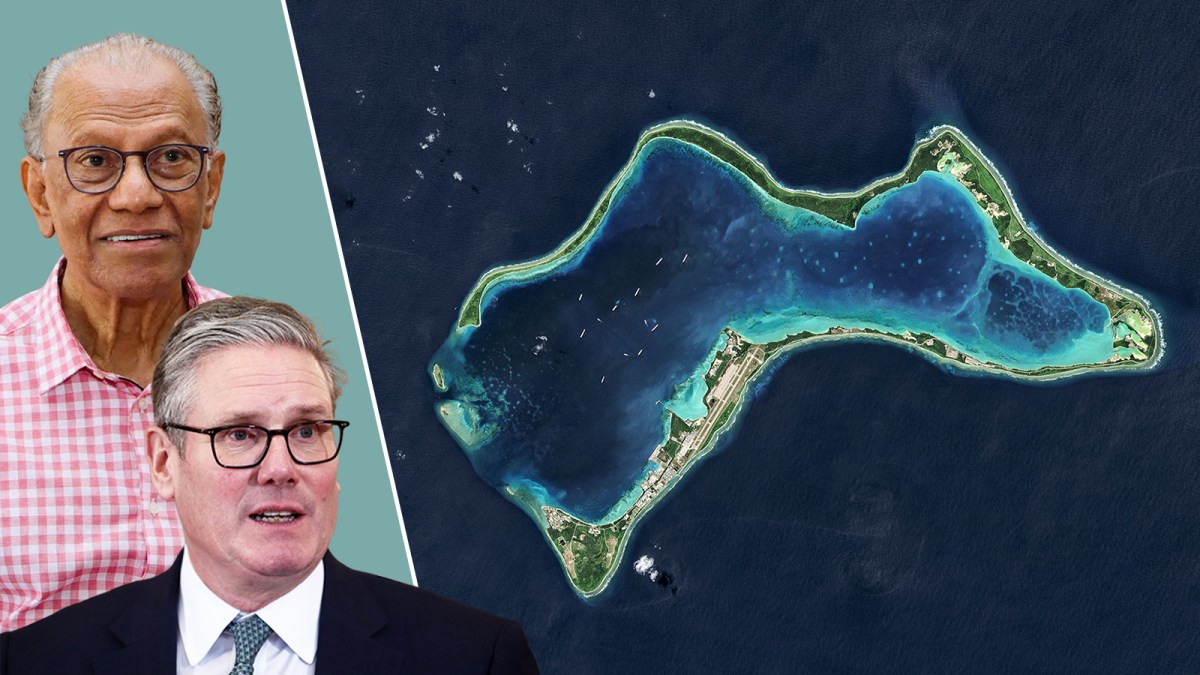
The Chagos Archipelago was detached from Mauritius by the British government in 1965, prior to Mauritius gaining independence in 1968. The islands were then used to establish a military base on Diego Garcia, which plays a crucial role in U.S. and UK defence operations. However, during this process, the indigenous population known as the Chagossians was forcibly removed from their homeland. This removal and the subsequent absence of the Chagossians from their ancestral lands have sparked international outrage and legal battles dating back decades.
Recent Developments
In recent months, the situation has garnered renewed attention amidst calls for justice and recognition of the rights of the Chagossians. In 2021, a ruling by the International Court of Justice (ICJ) stated that the UK should end its control over the islands, reinforcing Mauritius’s claim to the territory. Follow-up discussions have emerged in various international forums, urging the United Nations to take action regarding the human rights violations experienced by the Chagossians.
Furthermore, the UK government has faced increasing pressure from human rights organizations to acknowledge the historical injustices and facilitate the right of return for the Chagossians. While the British government maintains that the establishment of the military base is vital for security, critics argue that the geopolitical stability must not come at the cost of human rights.
Humanitarian Impact
The impact of displacement on the Chagossians is profound, both culturally and socially. Many families have been separated, and the community struggles to preserve its cultural identity in exile. The right to return remains central to the Chagossian plight, with numerous families yearning to reclaim their heritage.
Conclusion
The Chagos Archipelago dispute symbolizes the broader struggles faced by indigenous populations in asserting their rights against colonial legacies. As negotiations and international discussions continue, the hope remains that justice and reconciliation can still be achieved. The significance of this issue extends beyond the islands themselves; it serves as a critical reminder of the importance of humanitarian principles in global governance and the inherent rights of individuals to their land and identity.