Introduction
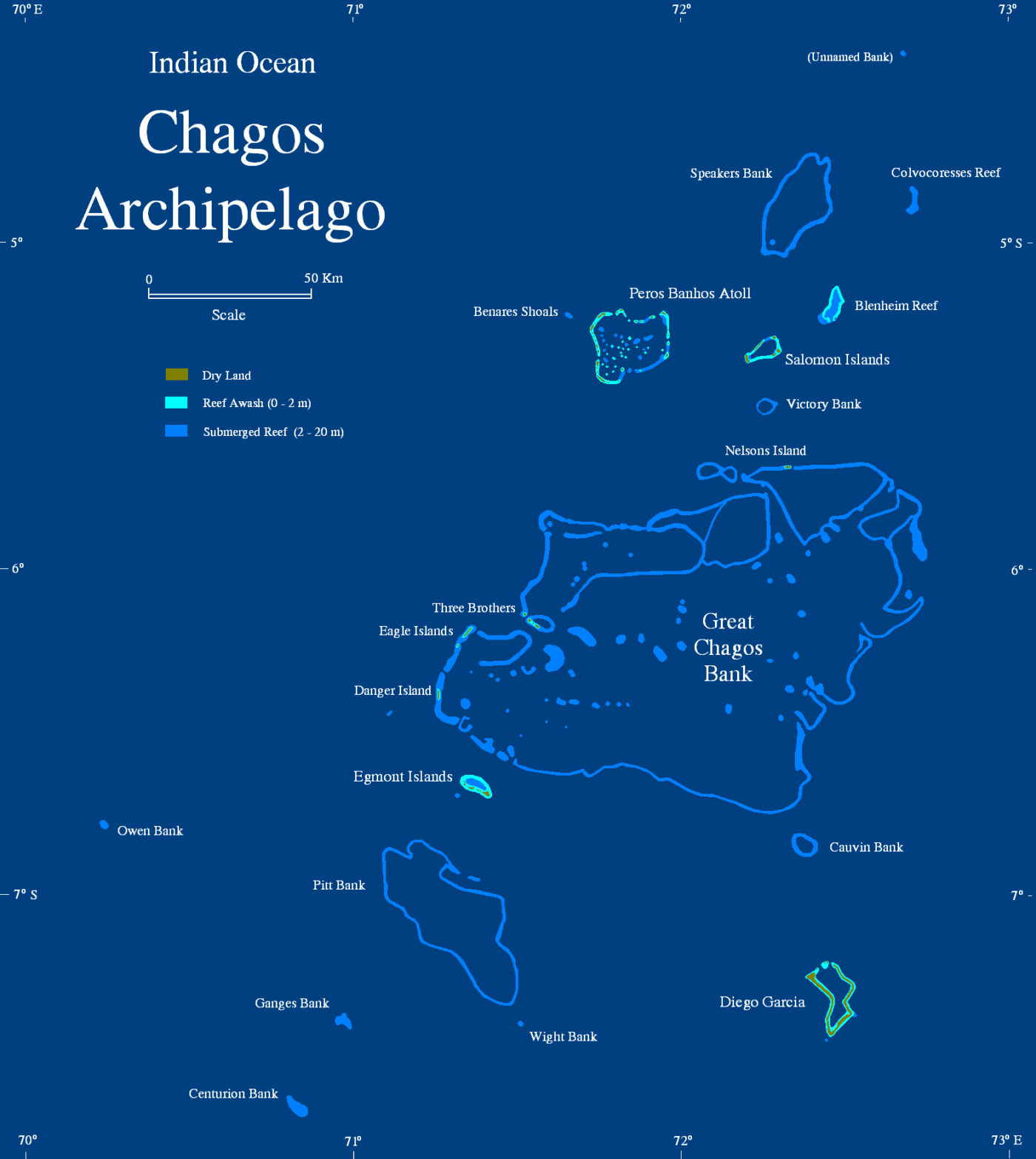
The Chagos Islands, a group of over 60 small islands in the Indian Ocean, have become a focal point of international legal disputes and human rights discussions. Since the UK established a military base on Diego Garcia, the largest island, in the 1960s, the fate of the Chagossians—who were forcibly removed from their homeland—remains a contentious issue. This article explores the relevance and recent developments concerning the Chagos Islands, which resonate deeply within the fields of international law and human rights.
Historical Background
The islands were part of British Mauritius until 1965 when the UK separated them to form the British Indian Ocean Territory (BIOT). Following this, the US and UK established a military base on Diego Garcia. The Chagossians were forcibly displaced to make way for this strategic installation, leading to decades of legal battles with impacts still felt today. The plight of the Chagossians, stripped of their home and rights, has prompted numerous calls for justice and restoration.
International Rulings and Current Developments
Recent rulings from the International Court of Justice (ICJ) and United Nations General Assembly have reinforced the argument that the UK’s continued administration of the Chagos Islands is illegal. In 2019, the ICJ advised that the UK relinquish control of the islands, stating that decolonisation was incomplete and calling for the right of the Chagossians to return. Despite these recommendations, the UK government has not complied, asserting national security reasons for maintaining its presence.
In 2023, the UK announced plans to expand military cooperation with the US on Diego Garcia, citing regional security concerns amidst rising tensions in the Indian Ocean. This move has drawn criticism from various global leaders and human rights organisations, who argue it undermines calls for restitution of rights to the displaced residents.
The Human Rights Angle
The Chagossians continue to advocate for the right to return to their homeland, a cause taken up by human rights groups worldwide. Campaigners argue that this case is emblematic of broader issues regarding colonialism and the treatment of indigenous peoples. The ongoing struggle for justice faced by the Chagossians highlights the importance of continued advocacy against historical injustices and the necessity for reparations and resolutions that respect the rights of displaced people.
Conclusion
As the situation regarding the Chagos Islands continues to evolve, it remains a key subject in discussions of international law and human rights. The contrast between military strategic interests and the plight of the Chagossians poses difficult questions about the legacies of colonialism and the responsibilities of nations to address historical wrongs. The international community must remain engaged in advocating for justice on behalf of the Chagossians, ensuring that their voices are not drowned out by geopolitical maneuvers. Looking forward, the resolution of this dispute could set important precedents regarding the rights of displaced populations globally.