Introduction
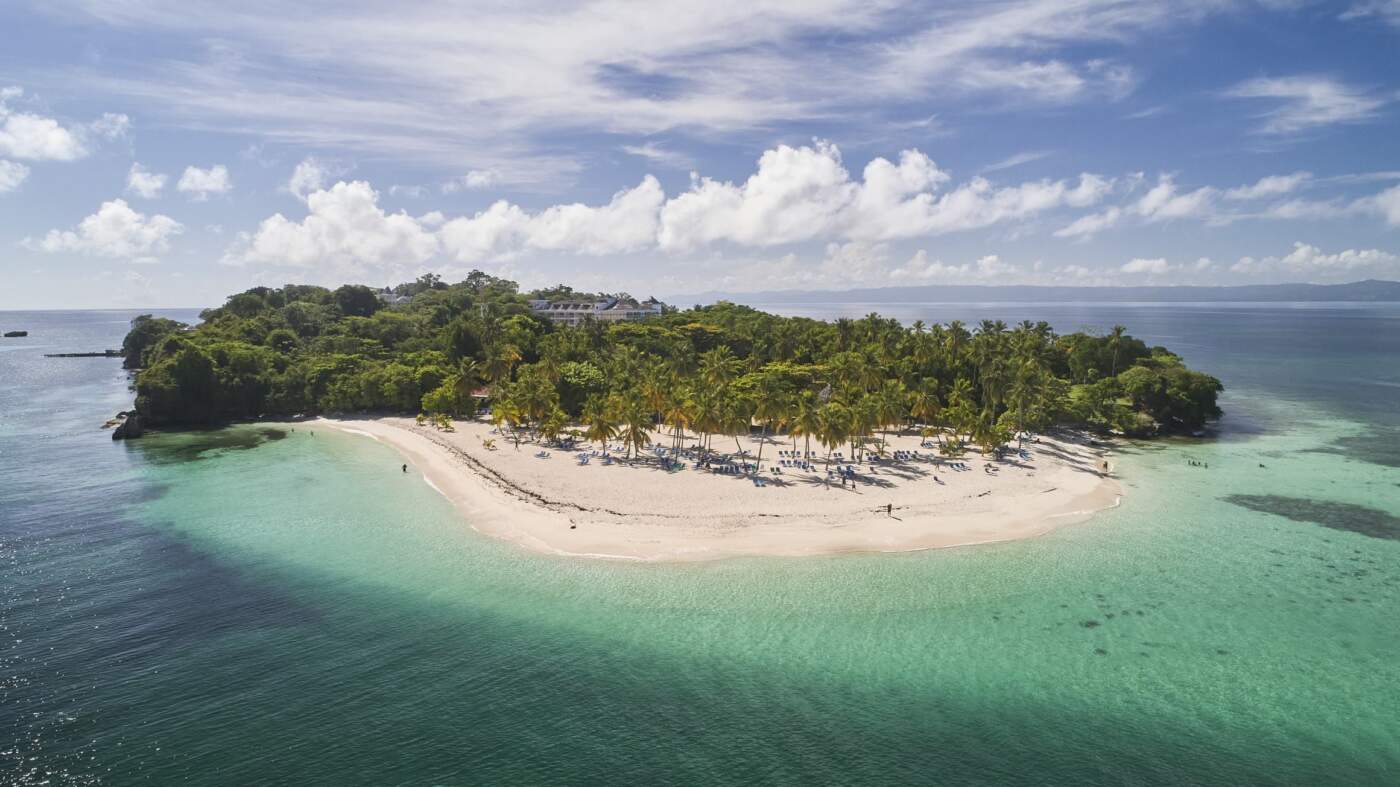
The Dominican Republic is a Caribbean nation that shares the island of Hispaniola with Haiti. It is known for its stunning beaches, rich cultural heritage, and diverse landscapes. As one of the most popular tourist destinations in the region, the Dominican Republic attracts millions of visitors each year seeking to experience its vibrant lifestyle, historical sites, and natural wonders. Understanding the significance of this tropical paradise can enhance travel experiences and shed light on the socio-economic factors influencing its growth.
Tourism Boom
According to the Central Bank of the Dominican Republic, the nation welcomed over 8 million tourists in 2022, marking a significant rebound from pandemic lows. The tourism industry has been crucial in driving economic recovery and growth, providing thousands of jobs and generating substantial revenue. Regions such as Punta Cana have become synonymous with luxury resorts and all-inclusive experiences, appealing to a wide range of vacationers.
Diversity of Attractions
Beyond its beaches, the Dominican Republic boasts an array of attractions. The capital city, Santo Domingo, is a UNESCO World Heritage site, rich in colonial history with its well-preserved architecture, including the Alcázar de Colón and the Cathedral of Santa María la Menor. For nature enthusiasts, the country offers stunning parks such as Los Haitises National Park, known for its mangroves and limestone karsts. Adventure seekers can explore the mountainous landscapes of the Dominican Alps or try water sports like kite surfing and diving in the crystal-clear waters of the Caribbean Sea.
Culture and Gastronomy
The culture of the Dominican Republic is a fusion of Taino, African, and European influences, evident in its music, dance, and cuisine. Merengue and bachata are traditional music styles that reflect the nation’s vibrant spirit. The culinary scene is also rich, with dishes like mangu, sancocho, and mofongo celebrated as staples. Local festivals, such as the Merengue Festival held annually in Santo Domingo, showcase this rich heritage and draw both locals and visitors alike.
Conclusion
As the Dominican Republic continues to recover from the pandemic’s impact, its tourism sector remains a cornerstone of its economy and national identity. The nation’s inviting culture, stunning geography, and historical richness promise unforgettable experiences for travellers. Future forecasts indicate that with continued investments in infrastructure and sustainable tourism practices, the Dominican Republic is poised to solidify its place as a leading Caribbean destination, appealing to an even broader audience. The importance of responsible travel cannot be overstated, and visitors are encouraged to respect local customs and support the communities they visit to ensure the preservation of this beautiful nation’s legacy.