Introduction to Social Media Bans
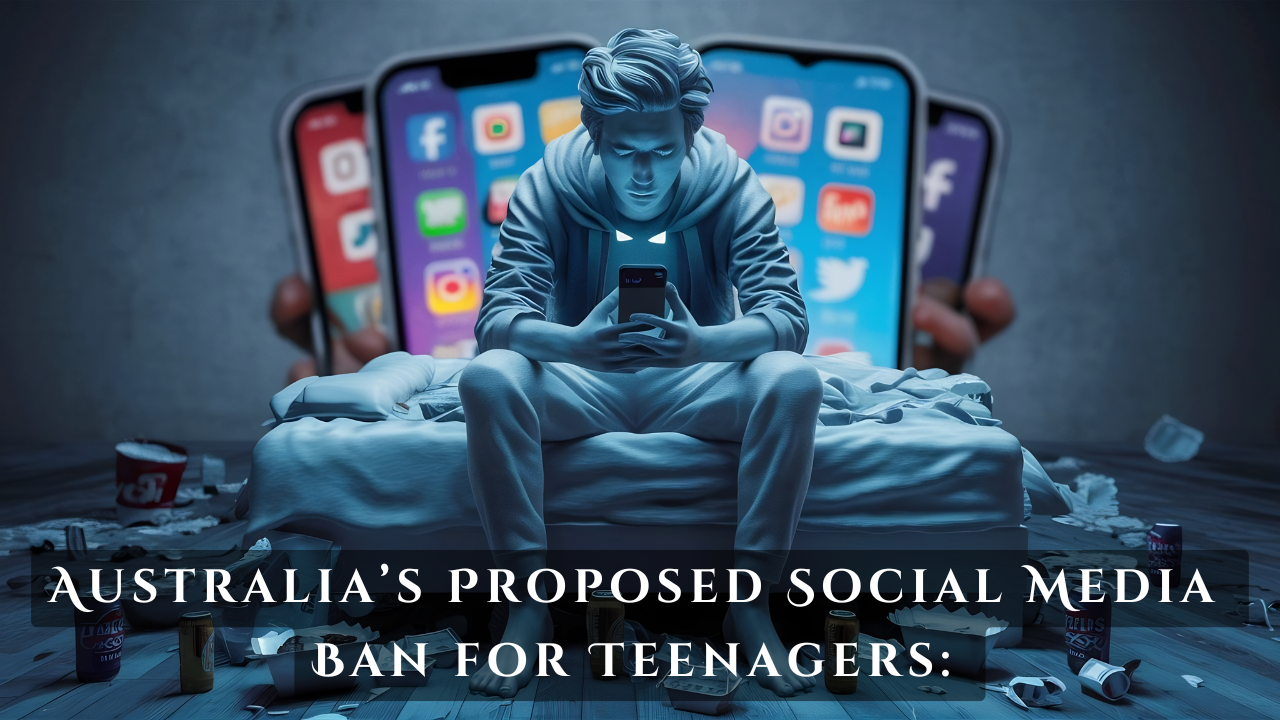
The use of social media has surged dramatically over the last decade, transforming how individuals interact and communicate. However, a rising trend of social media bans has emerged, manifesting in various forms across different nations. These bans are often implemented for reasons ranging from political control to concerns over misinformation and user safety, making it a critical topic of discussion in today’s rapidly evolving digital landscape.
Recent Developments in Social Media Bans
In recent months, several countries have enacted or proposed bans on specific social media platforms, citing national security issues and the need to protect citizens from harmful content. For instance, in the past year, the government of India has issued bans on various platforms during periods of political unrest, illustrating a pattern where social media is viewed as a tool for mobilising dissent. Similarly, countries like Turkey and Iran have also resorted to social media restrictions to curb dissent and maintain governmental control.
In the United States, discussions surrounding social media oversight have intensified, particularly in light of the 2020 presidential election and subsequent events that raised questions about misinformation and online extremism. Although an outright ban has not been implemented, ongoing debates about regulatory measures and potential restrictions continue to shape the discourse around social media use.
The Implications of Bans on Society
The implications of social media bans are profound, affecting not only freedom of expression but also access to information. Critics argue that bans often lead to a informed populace silenced, depriving citizens of vital channels for communication and self-expression. Furthermore, in countries where social media serves as a primary source of information dissemination, bans can limit awareness of both local and global issues.
On the other hand, proponents of these bans provide arguments focused on maintaining public order and safeguarding national security. They often view social media as a platform that can perpetuate violence, spread false information, and incite unrest. Therefore, the dialogue surrounding social media bans is often polarised, drawing from broader issues of censorship, privacy, and user rights.
Conclusion
As the conversation around social media bans continues to evolve, it becomes increasingly important for citizens to remain informed about their implications and potential consequences. The balance between regulating harmful content and preserving freedom of expression presents a complex challenge for governments worldwide. Moving forward, as digital communication continues to shape our societal norms, understanding the significance of social media bans will be crucial for navigating the future of public discourse and civic engagement.