Introduction
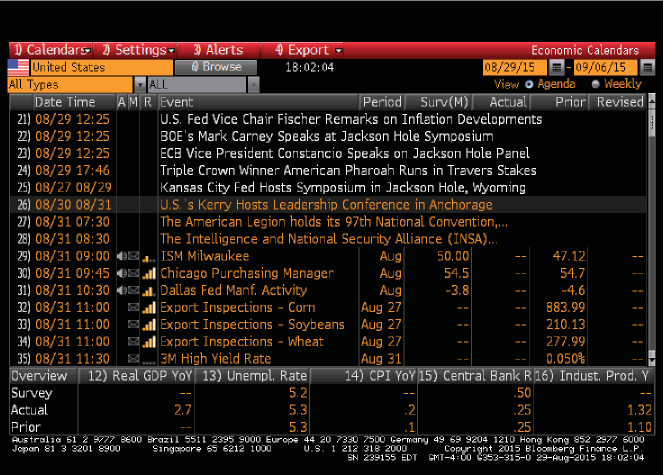
The economic calendar is a crucial tool for traders and investors in the financial markets. It provides a schedule of economic events, indicators, and announcements that can significantly impact asset prices, including currencies, stocks, and commodities. As global economies continue to fluctuate, understanding the economic calendar has become increasingly important for making informed trading decisions.
What is an Economic Calendar?
An economic calendar is a schedule displaying significant economic events, such as government reports, market surveys, and central bank meetings. Key indicators often listed include unemployment rates, inflation data, interest rate decisions, and Gross Domestic Product (GDP) reports. For example, a monthly employment report from the U.S. Bureau of Labor Statistics can lead to heightened volatility in currency markets, particularly the USD.
Current Trends and Events
As of late 2023, the economic calendar is particularly notable due to ongoing geopolitical tensions and post-pandemic recovery efforts. Central banks worldwide, such as the Bank of England and the European Central Bank, have been adjusting monetary policies to combat inflation, directly influencing interest rates and investment strategies. Traders must pay attention to scheduled meetings and press conferences that could provide insight into future policy changes.
Additionally, the upcoming release of inflation data in several major economies is expected to steer market sentiment. For instance, the UK’s Consumer Price Index (CPI) report will be pivotal for the British pound. Analysts predict that higher-than-expected inflation could result in the Bank of England tightening monetary policy sooner than previously anticipated.
Using the Economic Calendar Effectively
To use the economic calendar effectively, traders should start by familiarising themselves with the major events that are likely to impact their targeted markets. Utilizing filters to focus on high-impact events, or keeping an eye on consensus forecasts compared to actual outcomes, can yield valuable insights. Many trading platforms and financial news websites offer customizable calendars that can alert users to approaching events.
Conclusion
In summary, the economic calendar is an essential resource for anyone engaged in the financial markets. By staying informed about significant economic events and their potential impacts, traders can better navigate volatility and make more strategic decisions. As global events continue to unfold, regularly consulting the economic calendar will remain a critical aspect of any trading strategy. The ability to anticipate market movements based on upcoming economic indicators will likely separate successful traders from those who may struggle to adapt to changing conditions.