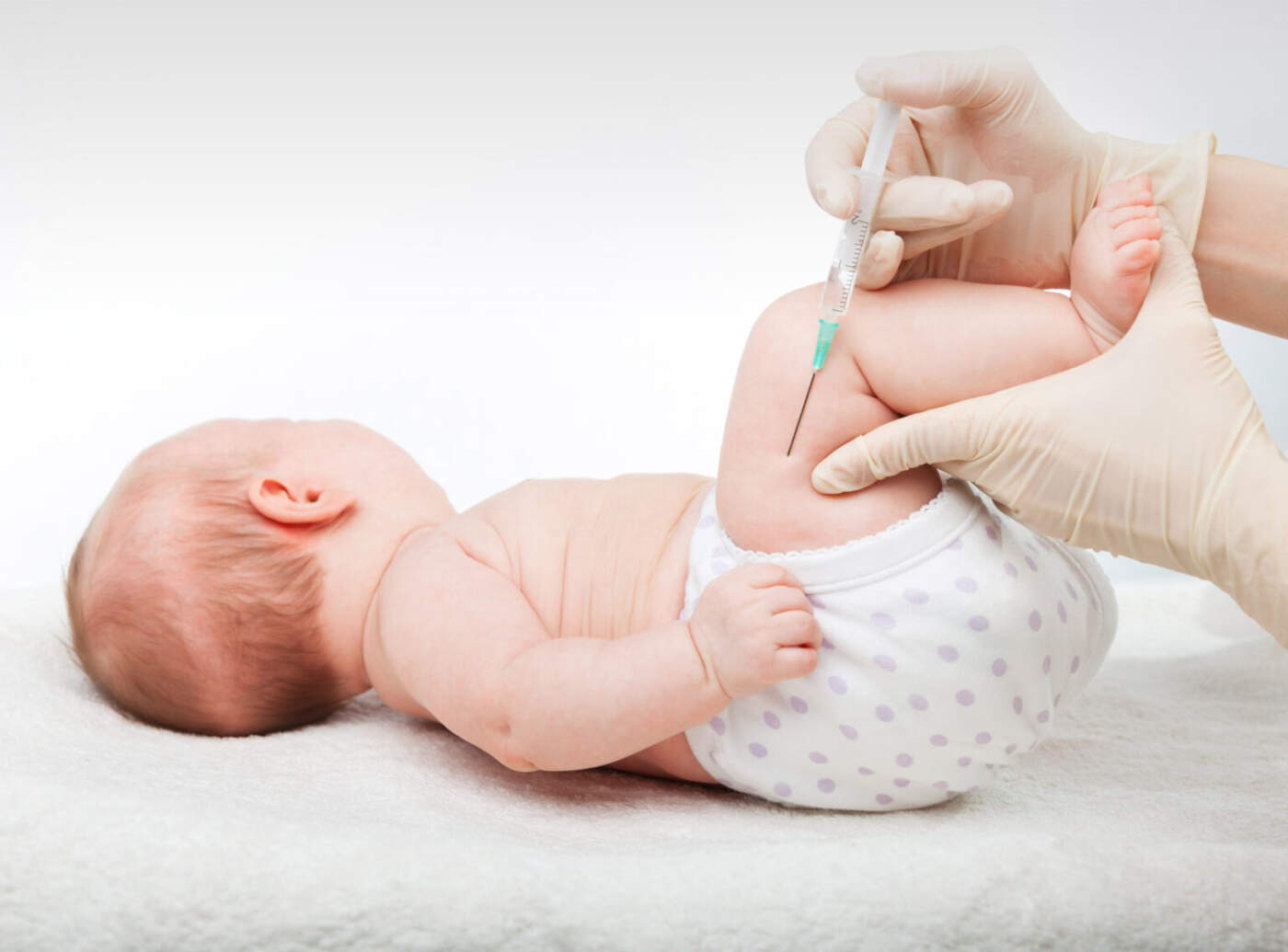
Introduction to RSV and its Impact
Respiratory syncytial virus (RSV) is a leading cause of respiratory infections in infants and older adults, often leading to hospitalisation. Given its significant public health impact, the recent advancements regarding the RSV vaccine have garnered considerable attention. This development is crucial not only for vulnerable populations but also for healthcare systems worldwide.
Breakthroughs in RSV Vaccine Development
For decades, researchers have sought an effective vaccine against RSV. Recently, several pharmaceutical companies, including Pfizer and Moderna, have made significant progress. In September 2023, Pfizer’s RSV vaccine received regulatory approval for use in pregnant women to protect their newborns. Clinical trials indicated that the vaccine reduced RSV-related hospitalisations by nearly 80% among infants born to vaccinated mothers.
Furthermore, Moderna’s mRNA-based RSV vaccine has shown promising results in clinical trials, indicating a strong immune response across various age groups. These breakthroughs signal a new era in the fight against RSV, potentially reducing the heavy burden the virus places on healthcare systems during peak seasons.
The Importance for Vulnerable Populations
Infants and older adults are the most affected by RSV, with thousands of hospitalisations occurring annually in these groups. The vaccine’s impact on public health could be profound. By vaccinating pregnant women, there’s the hope that newborns will be born with maternal antibodies, providing them with immediate protection against the virus.
Additionally, older adults, who face higher risks of severe illness, could benefit from targeted vaccination programmes as these vaccines become available, potentially saving lives and reducing healthcare costs significantly.
Conclusion and Future Outlook
The development of the RSV vaccine marks a significant milestone in respiratory health, offering much-needed protection to the most vulnerable populations. As it becomes more widely utilised, it is expected to decrease the incidence of RSV infections globally, leading to fewer hospitalisations and improving quality of life for many.
Looking forward, continuous surveillance and further studies are essential to fully understand the vaccine’s long-term effects and efficacy across different demographics. However, the emergence of effective RSV vaccines brings hope for a future where respiratory infections can be significantly controlled and managed, paving the way for healthier generations ahead.