Introduction
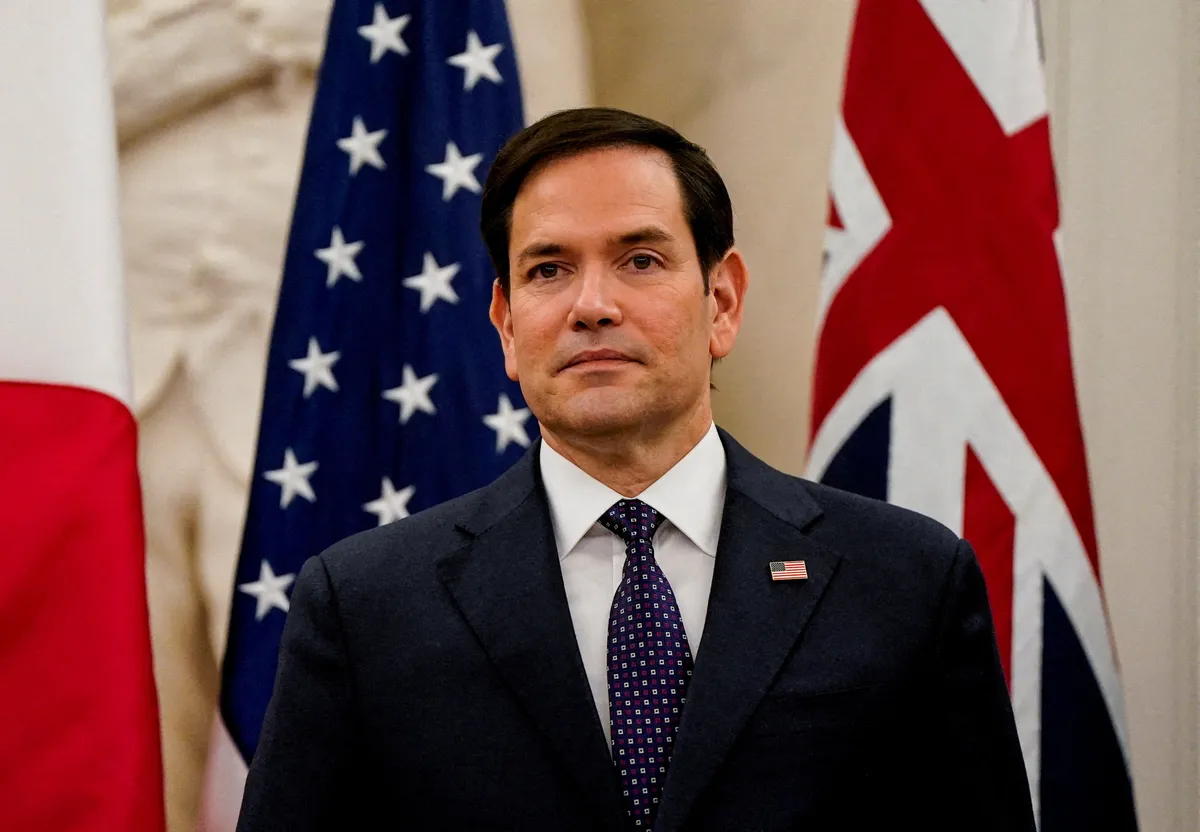
Marco Rubio, a significant figure in American politics, serves as a U.S. Senator representing Florida. His perspectives on key issues, from immigration reform to foreign policy, have made him a prominent voice within the Republican Party. Understanding his political journey and current initiatives is essential for those following U.S. politics and policy development.
Political Career and Achievements
Marco Rubio was first elected to the U.S. Senate in 2010 after a noteworthy campaign that emphasized limited government, economic growth, and a strong national defense. Since then, he has remained an influential legislator, often participating in bipartisan efforts, particularly on immigration reform, where he co-authored the Senate’s 2013 reform bill aimed at providing pathways to citizenship. Although the bill did not pass, it showcased Rubio’s commitment to comprehensive solutions.
In recent months, Rubio has shifted focus towards national security and economic issues, largely influenced by the ongoing geopolitical tensions and economic challenges faced by the United States. His advocacy for funding measures to support Ukraine amidst its conflict with Russia reflects his deep understanding of global affairs. Additionally, Rubio has been a strong proponent of domestic policy initiatives aimed at bolstering economic growth, job creation, and supporting small businesses.
Recent Events and Future Outlook
As of late 2023, Rubio has been vocal about the importance of American leadership on the world stage, especially concerning China’s increasing influence. His recent speeches have called for a united front among allies to counteract Chinese expansionism, asserting that failure to act could jeopardise U.S. interests globally. This stance has garnered attention and support within and beyond the Senate, indicating a possible pivot in U.S. foreign policy priorities.
Looking forward, Marco Rubio remains a potentially influential figure in the Republican Party as it prepares for the upcoming 2024 presidential elections. His experiences in the Senate and as a presidential candidate in 2016 position him as a key player in shaping party dynamics and policy discussions. Analysts suggest that Rubio could play a major role in deciding the Republican agenda moving forward, especially as debates on immigration and foreign policy intensify.
Conclusion
Marco Rubio’s journey through the political landscape reveals his adaptability and intelligence in tackling complex issues. As the U.S. continues to face significant challenges both domestically and internationally, Rubio’s role is likely to evolve further, making him a figure to watch leading up to the next election and beyond. For readers interested in understanding the political climate, keeping an eye on Rubio’s actions and positions will undoubtedly provide insight into the future direction of U.S. policy.