Introduction
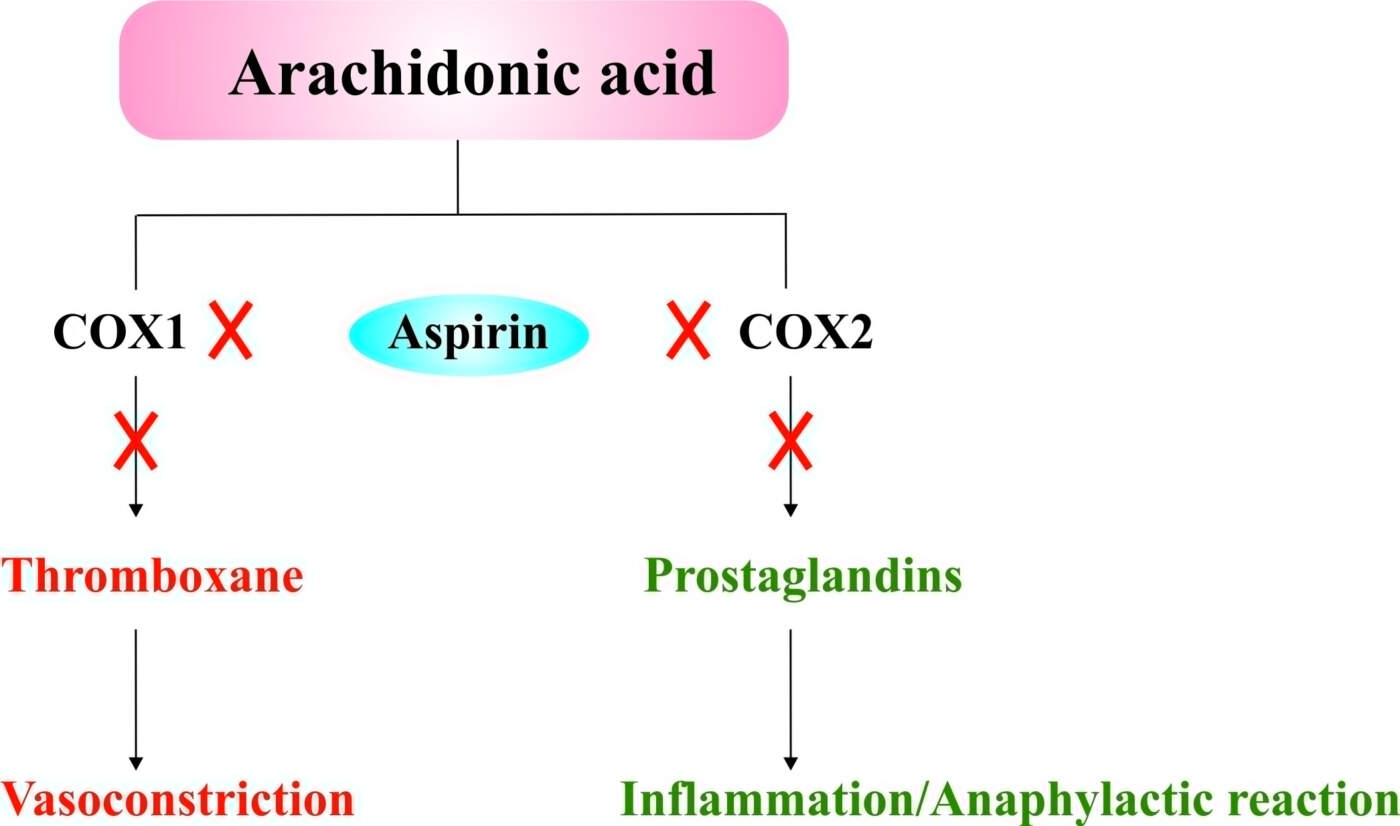
Aspirin, a widely used medication known for its pain-relieving, anti-inflammatory, and antipyretic properties, has been an essential part of medicine for over a century. Its significance extends beyond mere pain relief, as it plays a vital role in preventing cardiovascular diseases and managing various health conditions. In recent years, ongoing research has uncovered new insights into its applications, highlighting the continuing evolution of this well-known drug.
Historical Background
Initially derived from willow bark, which has been used for centuries to relieve pain, aspirin was officially synthesised by Felix Hoffmann at Bayer in 1897. Since then, it has become one of the most commonly used pharmaceuticals worldwide. Originally marketed for pain relief, its potential cardiovascular benefits began to surface in the 1970s, prompting further investigation into its use as a preventive measure for heart attacks and strokes.
Current Uses and Benefits
Today, aspirin is recommended for a variety of health issues. Its primary usage includes:
- Pain Relief: Aspirin is effective in managing mild to moderate pain, including headaches, toothaches, and menstrual cramps.
- Anti-inflammatory: It helps reduce inflammation associated with conditions like arthritis.
- Cardiovascular Health: Daily low-dose aspirin is often prescribed for individuals at risk of heart attacks or strokes to inhibit blood clot formation.
Recent studies have also explored the drug’s potential role in preventing certain types of cancer, particularly colorectal cancer. Research published in major medical journals has indicated that long-term aspirin usage may lower the risk of developing this disease.
Current Research and Developments
Ongoing research continues to shed light on the benefits and risks associated with aspirin therapy. A 2023 study revealed that while aspirin significantly reduces cardiovascular risks, it may also increase the likelihood of gastrointestinal bleeding, highlighting the importance of patient-specific recommendations. The guidelines for aspirin use have evolved accordingly, with healthcare providers now urging personalised assessments to weigh the benefits against potential risks.
Conclusion
Aspirin remains an indispensable tool in modern medicine, particularly in its role in cardiovascular health and pain management. As new research emerges, it is crucial for both healthcare providers and patients to stay informed about its benefits and risks. With the ongoing investigation into its broader applications, aspirin may continue to play a pivotal role in enhancing public health. As we look to the future, the potential for expanded understanding of aspirin’s uses could further solidify its status as a cornerstone of medical therapy.