Introduction to Kurdistan
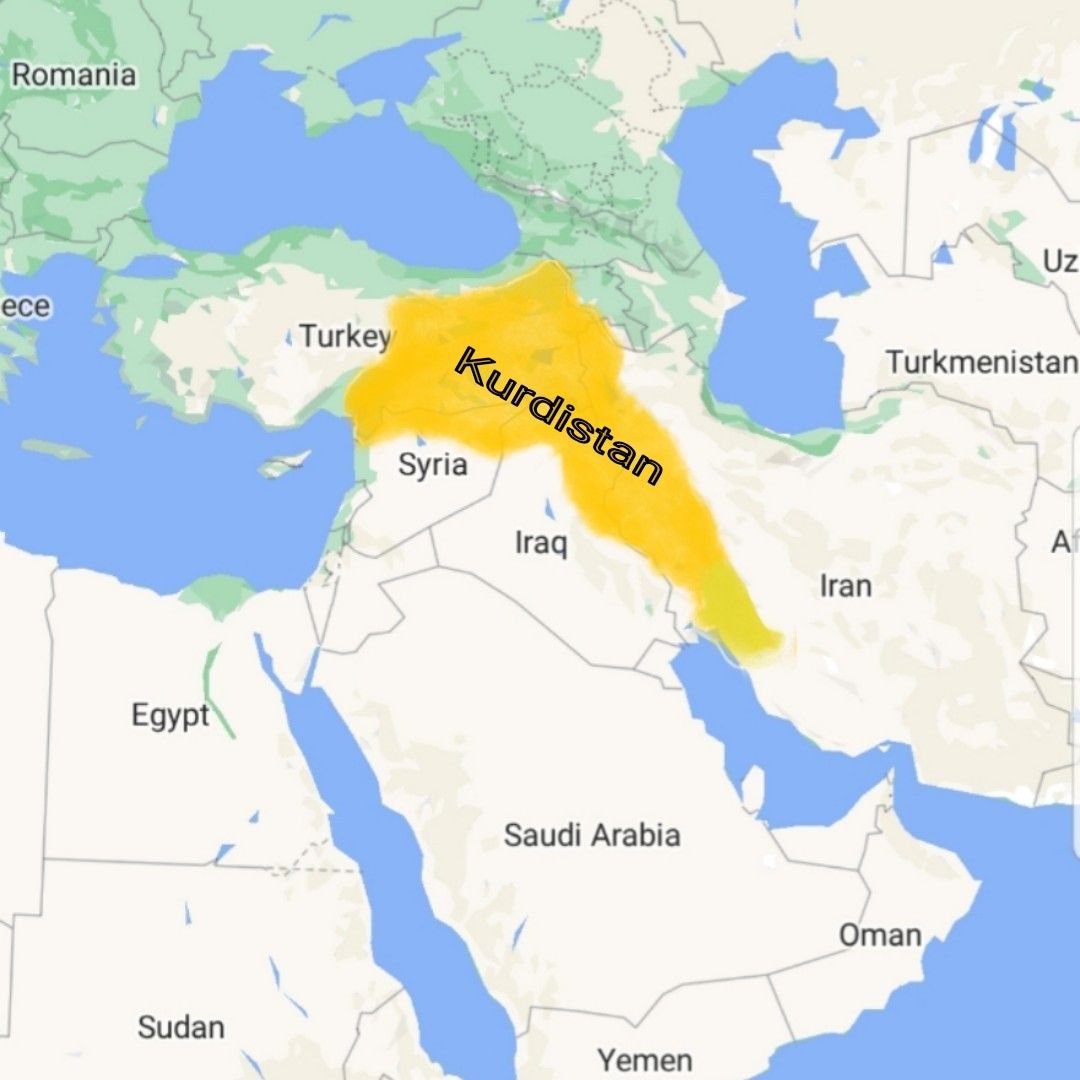
Kurdistan, a geo-cultural region situated in the Middle East, comprises parts of Turkey, Iraq, Iran, and Syria. Defined by its rich history, diverse culture, and substantial oil resources, Kurdistan has been a focal point of geopolitical interest, particularly in the wake of recent conflicts and the fight against the rise of extremist groups in the region. Understanding Kurdistan is crucial not only for grasping the dynamics of Middle Eastern politics but also for recognising the aspirations of the Kurdish people for greater autonomy and recognition.
Current Events in Kurdistan
In recent months, the Kurdish region of Iraq has witnessed significant developments. The Kurdistan Regional Government (KRG) has been engaged in ongoing negotiations with the federal government in Baghdad regarding oil revenue sharing and budget allocations. Tensions have escalated due to disagreements over financial distributions, adversely affecting public services in Kurdistan. Furthermore, the KRG’s stance on independence remains a contentious issue, as highlighted by the 2017 independence referendum, which was met with military responses from Iraq.
Additionally, the Kurdish forces, known as the Peshmerga, have played a crucial role in combating ISIS within Iraq and Syria. However, as the territorial defeat of ISIS becomes a reality, Kurdish forces are now facing new challenges in maintaining security and political stability amidst shifting alliances in the region. The withdrawal of US troops has left many concerned about the future balance of power in this volatile area.
Impact on Kurdish Culture and Society
Despite the political turmoil, Kurdish culture has flourished, showcasing its rich traditions through music, dance, and art. The Kurdish population continues to advocate for their rights, employing peaceful protests and political discourse to voice their aspirations. Education has also become a priority, with emphasis on preserving the Kurdish language and history in the face of external influences.
Conclusion and Future Outlook
The situation in Kurdistan is complex and ever-evolving. Understanding the region’s significance involves not just knowing its geographical boundaries but also its cultural identity, historical struggles, and current political dynamics. Analysts suggest that the future of Kurdistan will heavily depend on the KRG’s ability to negotiate effectively with Baghdad, navigate external pressures, and respond to the aspirations of its population for autonomy. As global interest continues to focus on the Middle East, Kurdistan remains a vital point of study for those seeking to comprehend the broader geopolitical landscape.