Introduction
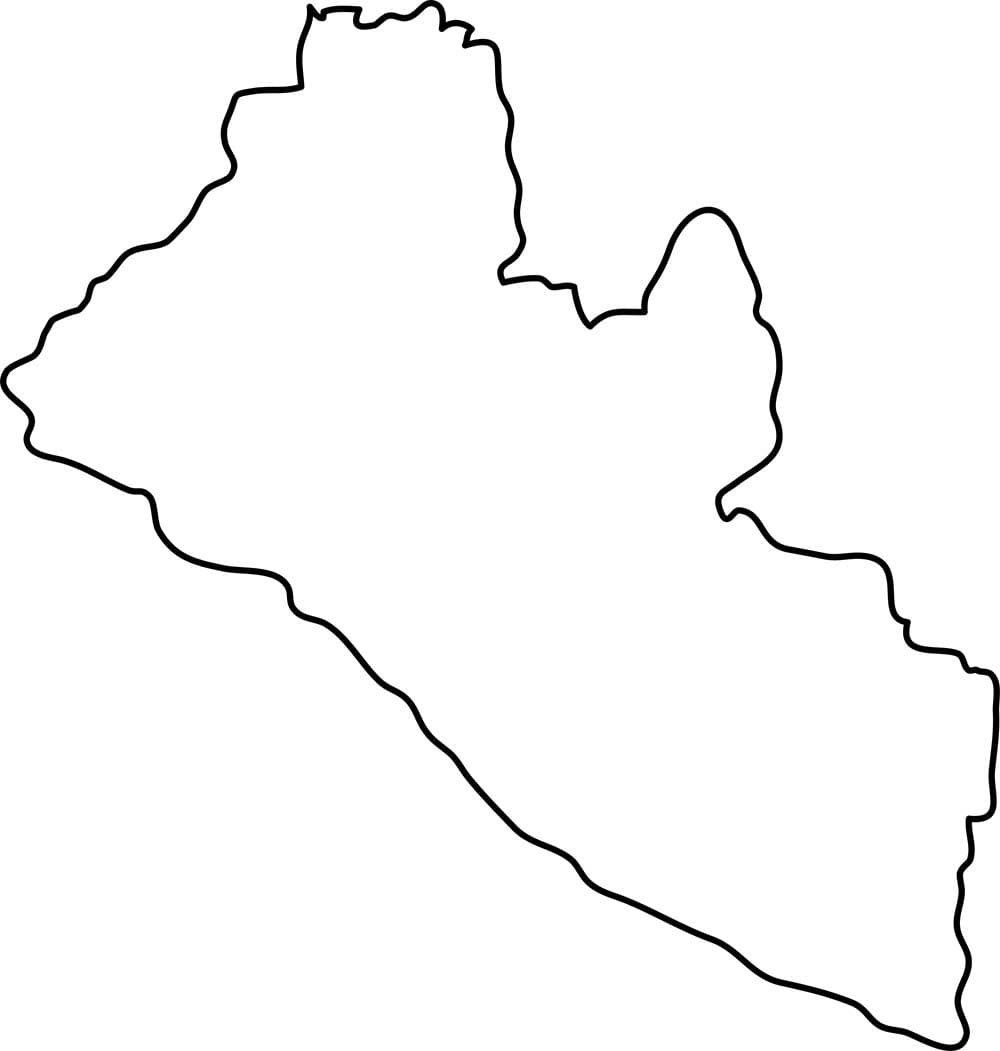
Liberia, a nation on the west coast of Africa, is making headlines recently for its political initiatives and economic challenges. As a country with a rich history and a diverse culture, its developments have garnered significant attention both locally and internationally. Understanding the current landscape in Liberia is crucial, especially in light of its ongoing efforts to strengthen democratic governance and recover from years of civil conflict.
Political Landscape
As Liberia approaches its presidential elections in 2023, the political climate is increasingly charged. Incumbent President George Weah, who took office in 2018, is seeking re-election amidst criticisms over economic management and corruption allegations. Recent protests led by opposition groups indicate a growing discontent among citizens regarding unemployment rates and poor public services. Voter turnout is expected to be a key factor in the upcoming elections, as young voters constitute a significant portion of the electorate.
Economic Challenges
Liberia’s economy is heavily reliant on natural resources, particularly rubber and gold, but it has faced numerous hurdles, including the fallout from the COVID-19 pandemic. According to the World Bank, the country’s GDP growth is projected to be around 2.5% for this fiscal year, which is relatively modest compared to regional standards. Furthermore, inflation rates have surged, contributing to rising food prices and affecting the purchasing power of citizens. Policies aimed at economic diversification and job creation are crucial for ensuring the sustainability of Liberia’s economic future.
Social Issues and Development
The educational sector is another area of concern, with many children lacking access to quality education due to infrastructural deficits. The government, in collaboration with foreign NGOs, is undertaking initiatives to improve educational facilities and teacher training programs. Recent statistics highlight a literacy rate of approximately 47% among adults, which poses a significant barrier to progress and development.
Conclusion
In conclusion, Liberia stands at a critical juncture with significant political volatility, economic challenges, and social issues to address. How the upcoming elections unfold will likely determine the country’s path towards stability and growth. Continued international support and investment will be vital in helping Liberia realise its potential. As citizens navigate these turbulent times, the world watches closely, hoping for a peaceful and constructive resolution to its challenges.