Introduction
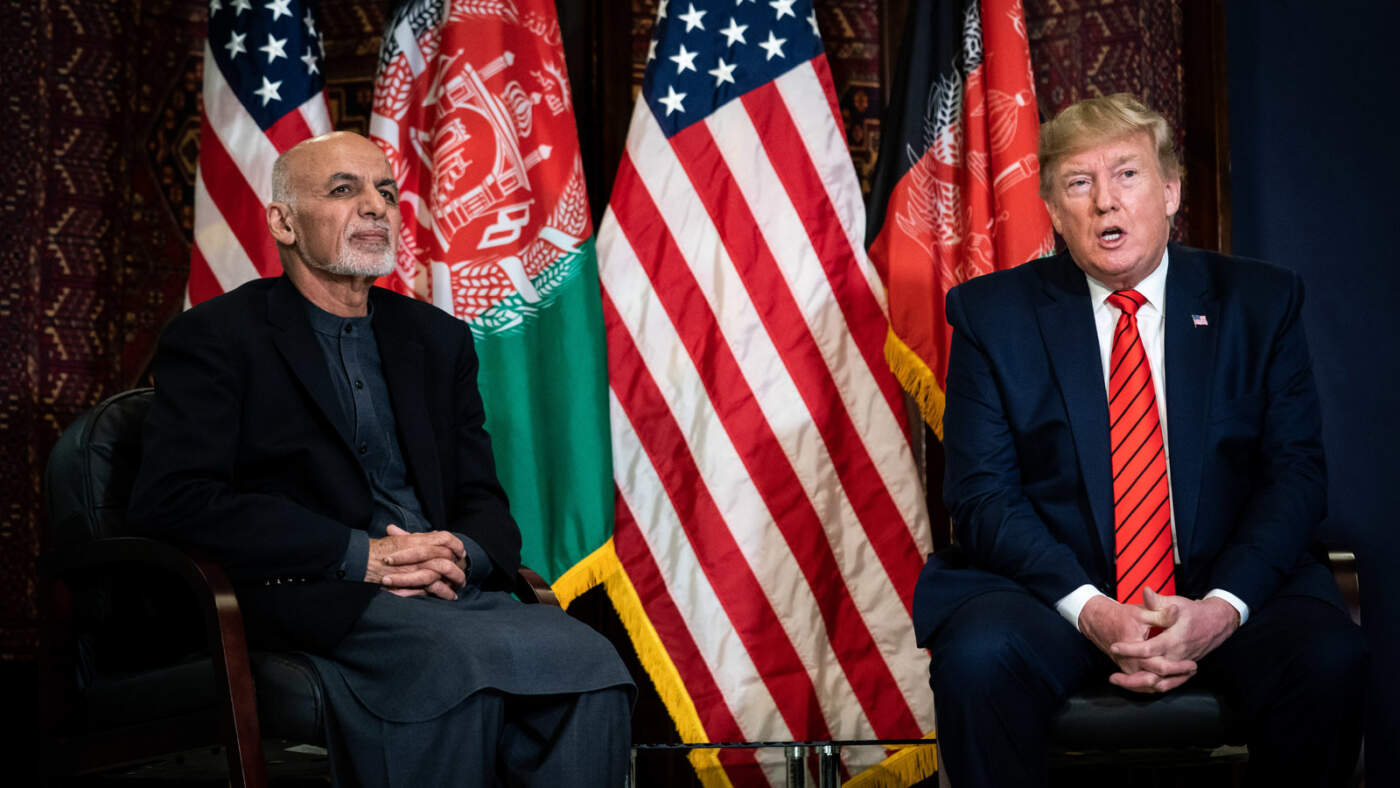
The situation in Afghanistan has been a focal point of international attention, particularly following the U.S. withdrawal in August 2021. Former President Donald Trump’s policies towards Afghanistan have been widely debated as they significantly impacted the country’s stability and U.S. foreign policy. Understanding Trump’s approach and its consequences is essential for evaluating current events and future forecasts.
Trump’s Afghanistan Strategy
During his presidency, Donald Trump adopted a different strategy in Afghanistan compared to his predecessors. In August 2017, he outlined a new policy that aimed to strengthen the U.S. military’s role in Afghanistan rather than focusing on an immediate withdrawal. Trump’s administration introduced the concept of ‘conditions-based’ withdrawal, emphasising that U.S. forces would only leave if certain conditions were met, particularly regarding the Taliban’s behaviour and their commitment to peace talks.
Peace Talks and Taliban Engagement
In February 2020, the Trump administration signed a historic agreement with the Taliban in Doha, which aimed to facilitate the withdrawal of U.S. troops in exchange for Taliban commitments to prevent terrorist activities and enter negotiations with Afghanistan’s government. This agreement accelerated the U.S. withdrawal process, resulting in a significant reduction in troop numbers. However, critics have argued that the deal legitimised the Taliban and undermined the Afghan government.
Aftermath of the Withdrawal
The abrupt withdrawal of U.S. troops in August 2021 led to a rapid collapse of the Afghan government and the Taliban’s swift takeover of Kabul. Thousands of Afghans rushed to the airport in a desperate attempt to flee the country, leading to chaotic scenes that attracted global media coverage. The consequences of the withdrawal have raised questions regarding the effectiveness of Trump’s strategies and long-term implications for U.S. foreign policy.
Conclusion
The events unfolding in Afghanistan following Trump’s presidency underscore the complexities of international relations and military engagement. While Trump’s administration sought to shift the U.S. approach towards a focus on withdrawal and negotiations, the rapid Taliban resurgence raises critical issues about the sustainability of peace in the region. As the international community watches closely, assessing Trump’s influence on Afghanistan can provide valuable insights for future administrations when faced with similar geopolitical challenges.