Introduction
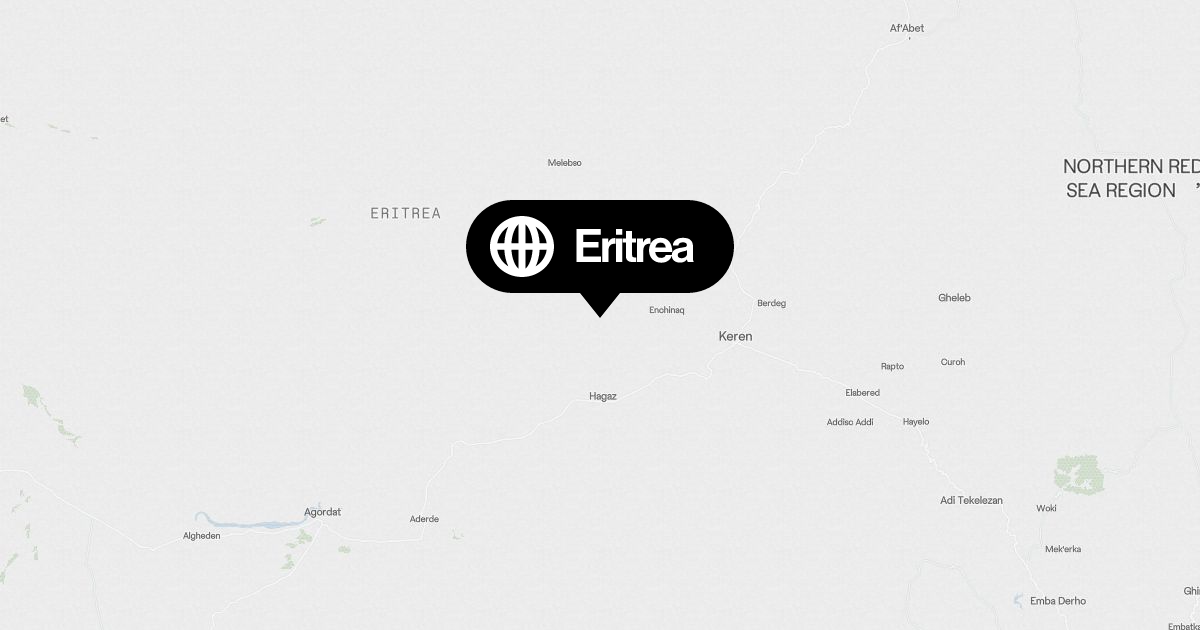
Eritrea, located in the Horn of Africa, is a nation rich in history and culture, yet it faces significant challenges today. With a coastline along the Red Sea, it has been a crossroads for trade and cultural exchange for centuries. Understanding Eritrea is essential, as it plays a vital role in regional politics and has a complex relationship with its neighbours.
Historical Background
Eritrea gained its independence from Ethiopia in 1993 after a 30-year-long struggle. The nation was celebrated for its hard-fought liberation, but the aftermath has been tumultuous. A border war between Eritrea and Ethiopia from 1998 to 2000 resulted in thousands of casualties and a tense stalemate that lingered for two decades.
Current Political Climate
In 2018, a peace agreement was signed between Eritrea and Ethiopia, officially ending the long-standing hostilities. This agreement has led to a cautious optimism in the region, sparking renewed diplomatic relations and trade between the two nations. The Eritrean government, led by President Isaias Afwerki, maintains a one-party state, which has drawn international criticism for its human rights record and lack of political freedoms.
Social and Economic Challenges
Eritrea faces significant economic challenges, with much of its population relying on subsistence agriculture. The economy is further hampered by national service policies that mandate long-term conscription, leading to a skilled labour shortage as many citizens flee the country seeking better opportunities abroad. According to the UN, an estimated 50,000 Eritreans leave the country each year, driven by a quest for freedom and better living conditions.
International Perspective
The international community is closely monitoring Eritrea’s developments, particularly in light of its strategic position near vital shipping lanes. The European Union and various human rights organisations have called for reforms that encourage political freedom and economic development. As diplomatic ties with Ethiopia improve, Eritrea may find new avenues for growth, but significant challenges remain.
Conclusion
Eritrea’s journey since independence is fraught with both promise and peril. As it navigates complex regional dynamics and internal pressures, the potential for positive change exists, contingent on the government’s willingness to implement reforms. For readers interested in global affairs, Eritrea stands as a pivotal case study on the interplay between history, politics, and the quest for national identity.