Introduction
The State of Israel, located in the heart of the Middle East, has been a focal point of geopolitical tension and cultural significance for decades. Its historical background, combined with current events, makes it important to understand the dynamics of this nation. In recent months, various developments have further underscored Israel’s role in international relations, especially in light of ongoing conflicts, diplomatic shifts, and societal changes.
Recent Developments
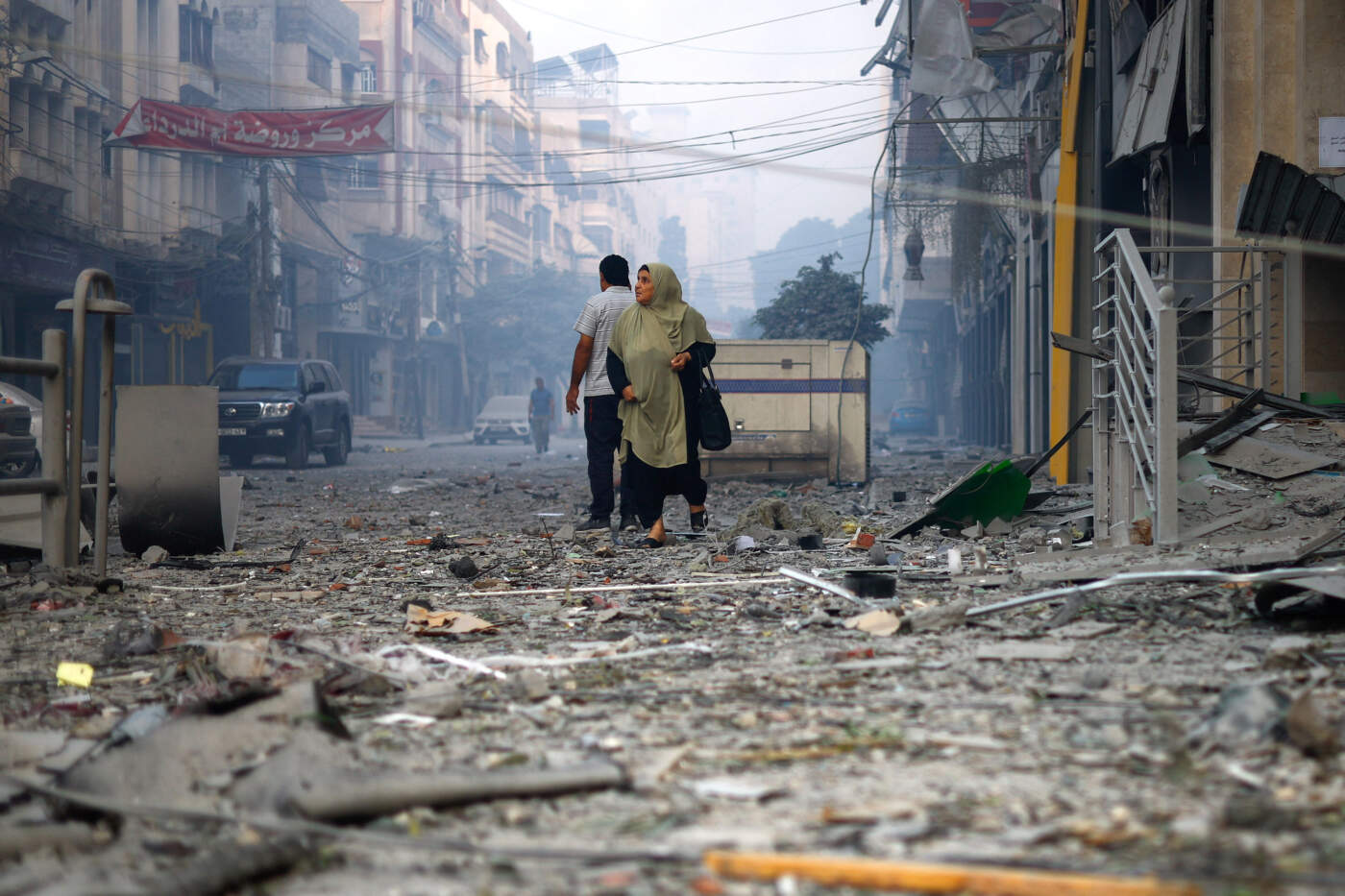
In 2023, Israel has witnessed several significant events that have attracted global attention. This includes the ongoing conflict with Hamas in Gaza, which escalated in early October, leading to widespread violence and a humanitarian crisis. According to reports from various human rights organisations, hundreds of lives have been lost, and the situation continues to escalate with calls from the international community for ceasefires and negotiations.
Additionally, the Israeli government’s diplomatic efforts have gained traction, especially in its relations with Arab nations. The Abraham Accords, initiated in 2020, have seen further developments as Israel strengthens ties with countries like Bahrain and the United Arab Emirates. These alliances have implications not only for trade and technology but also for collective security in the region.
Social and Political Landscape
Domestically, Israel’s political climate remains complex. The rise of right-wing parties has significantly altered the political landscape, prompting debates over issues such as settlement expansions in the West Bank and the treatment of Palestinian populations. Protests by various groups have highlighted concerns about human rights, democracy, and social justice.
Furthermore, the ongoing tensions have also ignited discussions on the role of Israeli society itself. With a diverse population, including Jewish and Arab citizens, the tensions surrounding ethnic and national identity have led to dialogues about coexistence and peace.
Conclusion
The current events in Israel do not only shape its national narrative; they also influence global politics and socio-economic dynamics. As the situation develops, it is crucial for international observers, policymakers, and citizens alike to stay informed about the implications of these events. The continued struggle for peace and security in Israel holds importance not just for its citizens but for stability and relationships in the broader Middle East. As such, the international community’s response will play a vital role in shaping future outcomes.