Introduction
Somalia is a nation located on the Horn of Africa, facing complex challenges including political instability, humanitarian crises, and security threats. Recognising the current situation in Somalia is crucial for understanding regional dynamics and the implications for international relations. With ongoing conflicts and the impact of climate change, the situation is both critical and noteworthy for global audiences.
Political Developments
Recently, Somalia has been navigating a tumultuous political landscape. The country held its presidential elections in May 2022, leading to the re-election of President Hassan Sheikh Mohamud. His administration has been focusing on addressing security, uniting fragmented political factions, and initiating dialogues aimed at peace-building. However, credible reports indicate ongoing tensions between the federal government and regional states, which could threaten stability.
Humanitarian Challenges
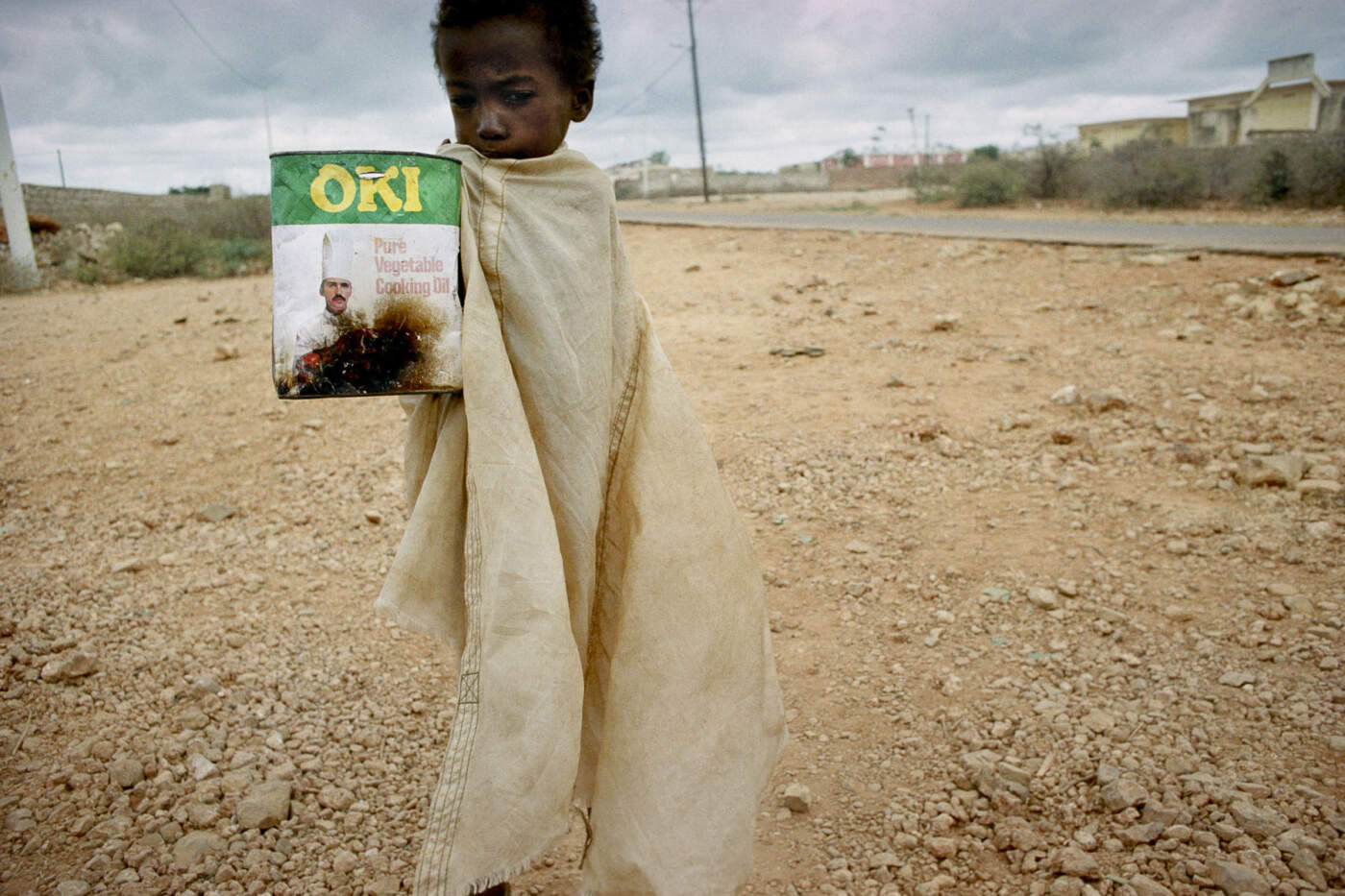
Simultaneously, Somalia is experiencing a severe humanitarian crisis exacerbated by ongoing droughts and conflict. The United Nations recently declared that millions are in need of assistance, with over 7 million people facing food insecurity. Efforts from international organisations and NGOs are underway to mitigate these challenges, but funding shortages and logistical issues hinder response efforts. The dire situation has led to calls for increased international support and intervention.
Security Concerns
On the security front, the militant group Al-Shabaab remains a formidable threat, conducting attacks against both civilian and military targets. In response, Somali and international forces have escalated joint operations targeting the group. Recent months have seen intensified campaigns that have reportedly led to territorial gains against Al-Shabaab, although the group continues to pose a significant challenge.
International Impact and Future Outlook
Somalia’s stability is not only paramount for its citizens but also for the broader region, as conflict or instability could lead to spillover effects in neighbouring countries. The International community is closely monitoring the situation, engaging with local leaders and humanitarian agencies to provide support. Looking ahead, fostering political unity, enhancing security measures, and addressing humanitarian needs will be crucial for sustainable peace and development in Somalia.
Conclusion
The current situation in Somalia serves as a critical reminder of the complexities faced by nations in transition. As Somalia continues to seek stability amidst internal and external pressures, it is essential for global stakeholders to engage thoughtfully. Continued awareness and action will be vital in supporting Somalia’s path towards a more secure and prosperous future.