Introduction
The emergence of the Nipah virus outbreak has raised significant concerns among health authorities worldwide. Discovered in 1998 in Malaysia, Nipah is a zoonotic disease, meaning it can be transmitted from animals to humans and is often associated with severe health complications and fatalities. The current outbreak, which has gained traction in several regions, highlights the importance of surveillance, research, and public health preparedness in managing the spread of deadly pathogens.
Current Situation
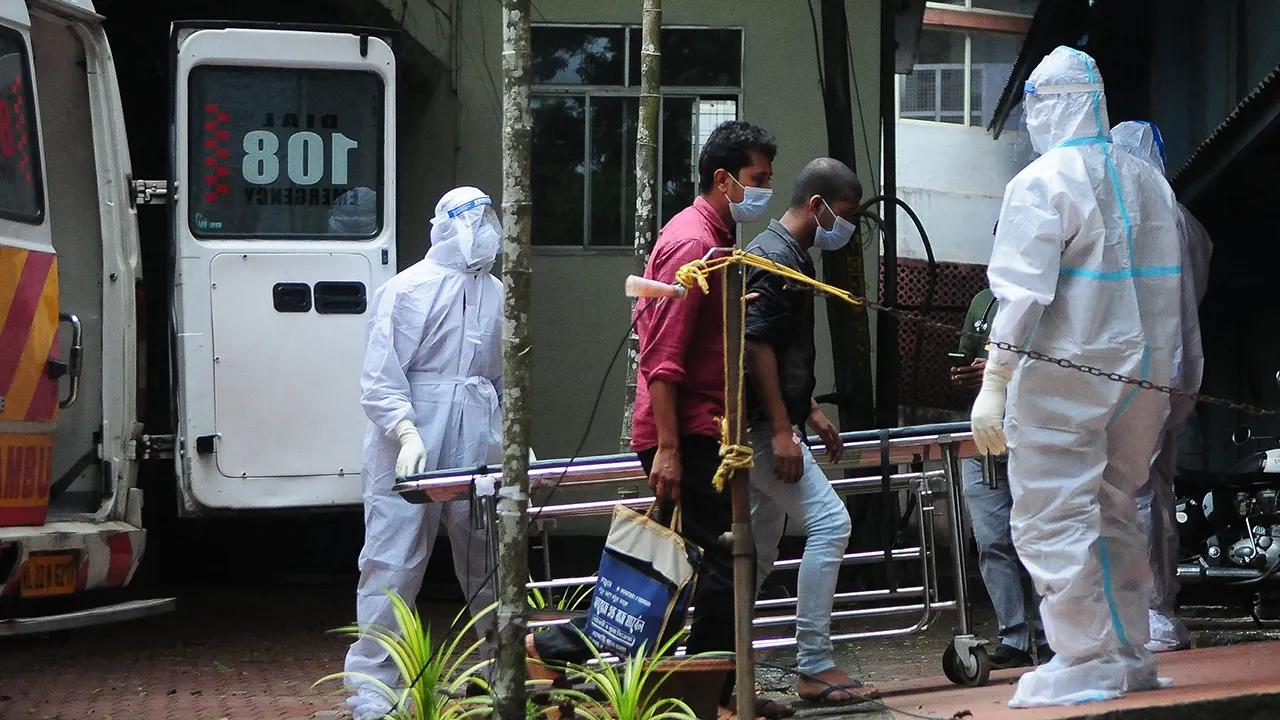
As of October 2023, health agencies in India have reported a surge in Nipah virus cases originating in the state of Kerala. The outbreak began earlier this month, leading to at least a half-dozen confirmed cases, with two fatalities recorded. Authorities are conducting rigorous contact tracing and have implemented containment measures in affected areas. According to the World Health Organization (WHO), the virus has a case fatality rate of approximately 40% to 75%, depending on the outbreak. The disease can manifest a range of symptoms, from mild fever to acute respiratory distress and encephalitis.
Transmission and Prevention
The Nipah virus is primarily transmitted through direct contact with infected bats, pigs, or persons. The consumption of contaminated fruits, especially those dropped by bats, and contact with infected animal secretions are common means of transmission. Public health experts urge individuals to avoid areas known for bat activity and to handle food products, particularly fruits, with care. Vigilant surveillance and rapid response are essential to preventing further spread.
Impact on Public Health
This outbreak could have far-reaching implications for public health systems, given the challenges in controlling zoonotic diseases. The ongoing threat posed by viral infections necessitates coordinated efforts between national health authorities and international organisations to enhance disease monitoring and response strategies. The scenario also highlights the need for vaccine development and research into treatment options for Nipah virus, as current therapeutic measures are limited and primarily supportive.
Conclusion
The Nipah virus outbreak serves as a stark reminder of the ongoing risks posed by infectious diseases. Its potential to rapidly spread and cause serious illness underscores the importance of proactive public health measures, scientific advancement, and community awareness. With comprehensive response mechanisms and increased public health investment, the impact of such outbreaks can be mitigated. Observers are advised to remain vigilant as health authorities continue to monitor the situation closely, implementing measures designed to protect communities from further spread of the virus.