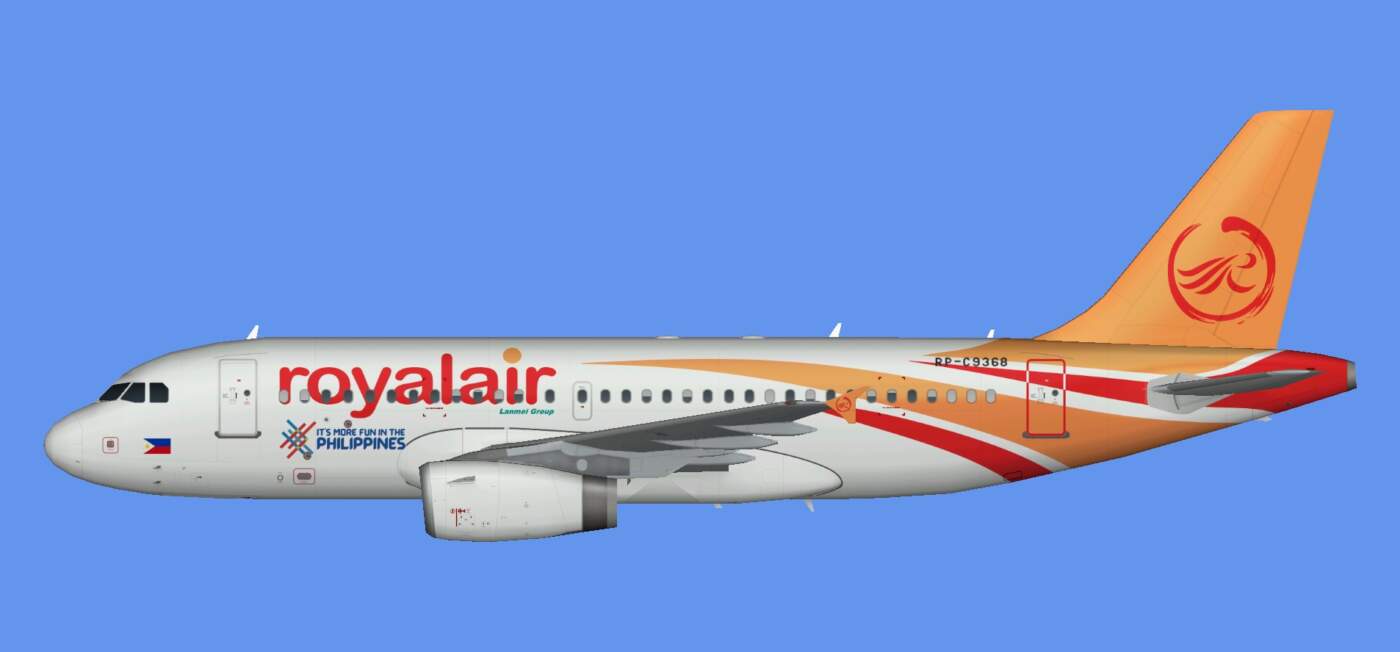
Introduction
The news of Royal Air Philippines’ recent liquidation has sent shockwaves through the travel industry, affecting not only employees but passengers who had booked flights. This development highlights critical challenges faced by airlines in the current economic landscape, raising questions about the future of smaller carriers in a competitive market. Understanding the reasons behind the liquidation and its potential impact on air travel is essential for both stakeholders and customers.
Context of the Liquidation
Royal Air Philippines, which began operations in 2015, had aimed to cater to the burgeoning domestic travel market in the Philippines, especially following the easing of COVID-19 restrictions. However, the airline struggled to compete with larger carriers and was further hampered by soaring fuel prices and fluctuating customer demand. In August 2023, the airline announced it was filing for voluntary liquidation, a decision which shocked many in the industry.
Prior to the liquidation, Royal Air had been experiencing financial troubles compounded by regulatory challenges and decreased fleet size. Reports indicate that the airline’s inability to secure necessary funding exacerbated their situation, ultimately leading to the painful decision to cease operations.
Impact on Passengers and Employees
The liquidation has far-reaching implications for passengers who had planned trips with the airline. Many are left scrambling to find alternative travel options at short notice, which could lead to flight cancellations and loss of deposits. Customers should check their bookings and contact customer service for information about possible refunds or rebooking policies.
Furthermore, nearly 400 employees are now facing job losses as a result of the closure, prompting urgent discussions about support measures from the government and local agencies to help those affected navigate this transition.
Industry Significance and Future Outlook
The liquidation of Royal Air Philippines is a vivid reminder of the fragility of the airline sector, especially for smaller companies struggling to survive against larger competitors. Travel analysts suggest that the market may see further consolidation as smaller carriers either merge or succumb to market pressures. The aviation industry as a whole is under significant scrutiny as it strives to recover post-pandemic.
In conclusion, while the liquidation of Royal Air Philippines presents immediate challenges for stakeholders, it may also catalyse discussions about the sustainability and structural reform required within the aviation industry. Passengers and employees alike will need to stay informed and adaptable as the landscape continues to evolve.