Introduction
The polar vortex is a significant atmospheric phenomenon that can have profound impacts on global weather patterns, especially during winter months. As climate scientists closely monitor changing weather patterns, the forecast of a polar vortex collapse has emerged as an urgent topic for discussion. This phenomenon can disrupt normal weather patterns, leading to extreme cold spells and unpredictable weather in mid-latitude regions, including parts of Europe and North America.
What is the Polar Vortex?
The polar vortex refers to a large area of low pressure and cold air surrounding the Earth’s poles. It is a persistent cyclone that exists in both hemispheres and plays a crucial role in controlling winter weather. When the polar vortex is stable, cold air remains trapped at the poles. However, when it weakens or collapses, it can allow frigid Arctic air to spill down into lower latitudes, resulting in severe winter weather.
Recent Developments and Forecasts
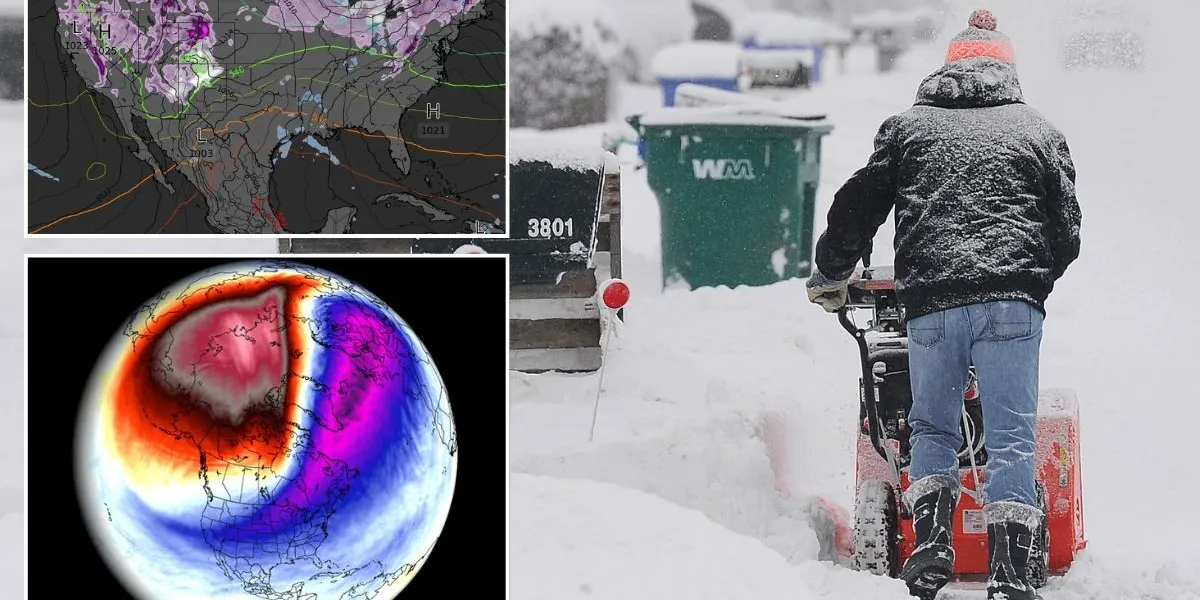
In recent weeks, meteorologists have reported signs of a potential polar vortex collapse. Forecast models indicate that an unusual warming trend in the stratosphere is weakening the polar vortex, which could lead to significant temperature drops in regions further south. This collapse has the potential to lead to harsh winter conditions, with temperatures plummeting and increased snowfall expected in several areas.
Recent data from the National Weather Service suggests that as early as late January, regions in the Midwest and Northeast may experience a surge in arctic air driven by the destabilised vortex. Early indicators from weather models highlight a crucial period between January and February for monitoring this phenomenon closely.
Potential Impacts
A polar vortex collapse can bring about drastic changes in weather. Residents in affected areas may need to prepare for extreme cold temperatures, potential snowstorms, and icy conditions, influencing daily activities. Additionally, energy demand typically spikes during these cold snaps, leading to potential power shortages and increased costs, which can heavily impact both individuals and businesses.
Conclusion
As the forecast for a polar vortex collapse continues to develop, it is essential for residents across affected regions to stay informed. The implications of such a collapse extend beyond just immediate weather patterns; they can also affect agriculture, energy supply, and public health during severe winter events. Weather experts recommend that communities prepare for potential severe winter conditions and remain updated on forecasts to ensure safety and readiness as this situation unfolds.