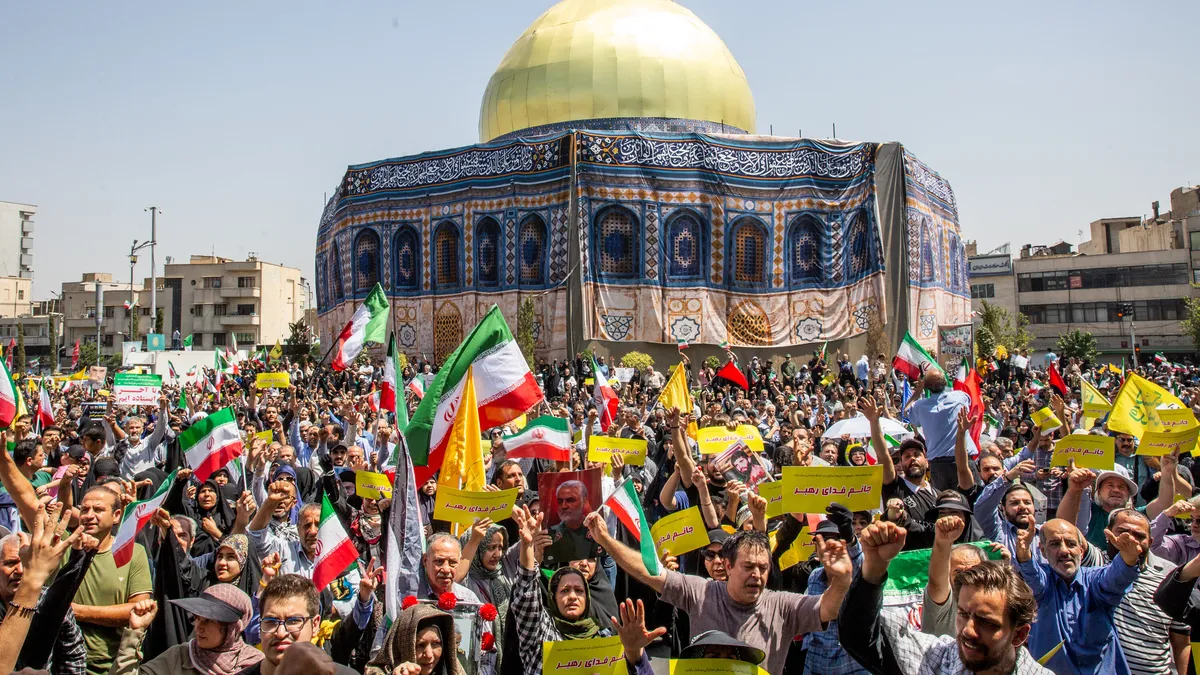
Escalation of Conflict
The current conflict between the US, Israel, and Iran has escalated significantly since February 28, 2026, following the assassination of Supreme Leader Ayatollah Ali Khamenei. This pivotal event has triggered a series of retaliatory strikes, with Iran launching attacks across nine countries, specifically targeting US military presence and civilian infrastructure in the Gulf states.
Casualties and Economic Impact
The ongoing war has resulted in at least 1,255 deaths in Iran, 570 in Lebanon, 13 in Israel, and eight US soldiers. Iran claims that US and Israeli forces have bombed nearly 10,000 civilian sites in the country since the war began. The financial burden of the first 100 hours of Operation Epic Fury has cost the US approximately $3.7 billion, raising concerns about the long-term economic implications of the conflict.
Military Strategies and Responses
Iran’s military strategy includes a ‘decentralised mosaic defence’ aimed at surviving leadership losses, particularly following the assassination of Khamenei. Despite this significant blow, the Iranian government has not collapsed; Mojtaba Khamenei has been appointed as the new Supreme Leader. Meanwhile, the US and Israel have reportedly struck more than 5,000 targets in Iran, marking an unprecedented level of cooperation between the two allies in military operations.
Broader Regional Effects
The conflict has expanded beyond Iran, affecting regional stability and global economic conditions. Brent crude oil prices have surged, exceeding $100 a barrel, which has raised fears of a global energy crisis. The ramifications of this conflict are being felt worldwide, as nations grapple with the potential for economic fallout.
Retaliatory Actions
In response to the ongoing military actions, Iran has targeted airports, energy facilities, and diplomatic missions in its retaliatory strikes. This escalation highlights the complexity of the situation, as both sides engage in a cycle of retaliation that complicates the prospects for peace.
Diplomatic Landscape
The June 2025 escalation had ended in a fragile truce, which has now been shattered by the current conflict. Observers note that the defining feature of the war is not clarity but growing complexity, as the objectives of the US and Israel remain unclear and differ between the two allies. The death of diplomacy has been echoed by many analysts, indicating a severe breakdown in negotiations.
Future Uncertainties
As the conflict continues, uncertainties loom regarding the future course of the war. The ultimate objectives of the US and Israel remain unclear, with possibilities of further escalation or a declaration of achieved objectives by the US. Details remain unconfirmed, leaving the international community in a state of apprehension as they monitor the situation closely.