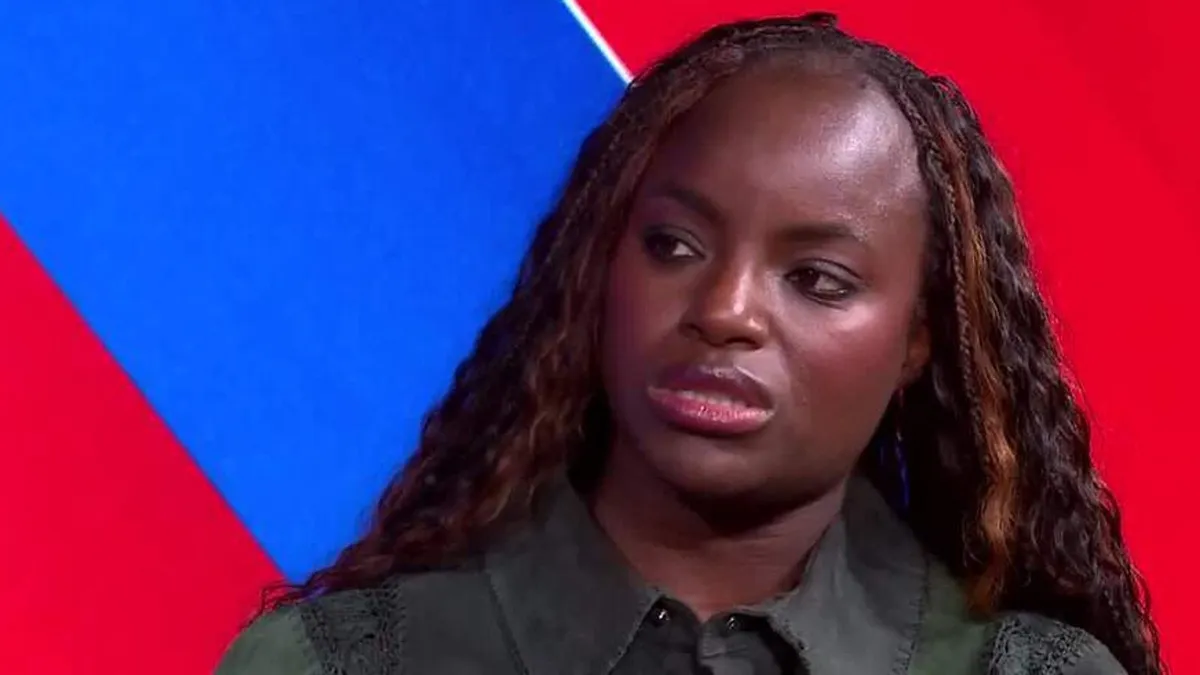
What are the implications of Eni Aluko’s recent legal victory over Joey Barton?
Eni Aluko has emerged victorious in her libel case against Joey Barton, a ruling that underscores the legal ramifications of online harassment and defamation. The High Court in London ordered Barton to pay £339,000 in damages and legal costs to Aluko, marking a significant moment in her two-year legal battle.
The case stemmed from a series of 48 posts Barton published on his X account between January and August 2024, which Aluko argued amounted to harassment. Gervase de Wilde, representing Aluko, stated that Barton has now accepted that his campaign against her constituted harassment and that he should not have made the publications. This acknowledgment highlights the serious nature of Barton’s actions and their impact on Aluko’s life.
Aluko expressed her relief and happiness on social media following the court ruling, describing the legal battle as a “two-year marathon.” She thanked her legal team and supporters, emphasizing the emotional toll the case had taken on her. The court’s decision not only vindicates Aluko but also serves as a warning to others about the consequences of online defamation.
Interestingly, the legal proceedings were temporarily halted, or stayed, prior to the court hearing, which adds another layer of complexity to the case. Barton was arrested the day before the hearing on charges related to an alleged assault, which may have influenced the court’s proceedings. He did not attend the court hearing, raising questions about his commitment to addressing the allegations against him.
As part of the ruling, Barton has seven days to request a change to the court order, leaving some uncertainty about the finality of the judgment. The first £100,000 of the damages awarded to Aluko is due by March 24, 2026, which places additional pressure on Barton as he navigates the aftermath of this ruling.
At 43 years old, Barton has faced various controversies throughout his career, and this latest legal battle adds to his complex history. Meanwhile, Aluko, now 39, has been a prominent figure in discussions about equality and representation in sports, and this case further amplifies her voice in the ongoing dialogue about harassment and accountability.
As the dust settles on this high-profile case, the implications for both Aluko and Barton remain to be fully understood. The ruling not only affects their personal lives but also sets a precedent for how similar cases may be handled in the future. The legal landscape surrounding online harassment continues to evolve, and this case may serve as a pivotal moment in that ongoing transformation.