Prior Expectations in US-Iran Relations
Before the recent developments, the expectations surrounding US-Iran relations were characterized by a cautious approach. The United States had been engaged in a complex diplomatic landscape, attempting to manage tensions while avoiding direct military confrontation. The focus was primarily on negotiations regarding Iran’s nuclear capabilities, with an emphasis on sanctions and diplomatic pressure rather than military action.
A Decisive Shift in Strategy
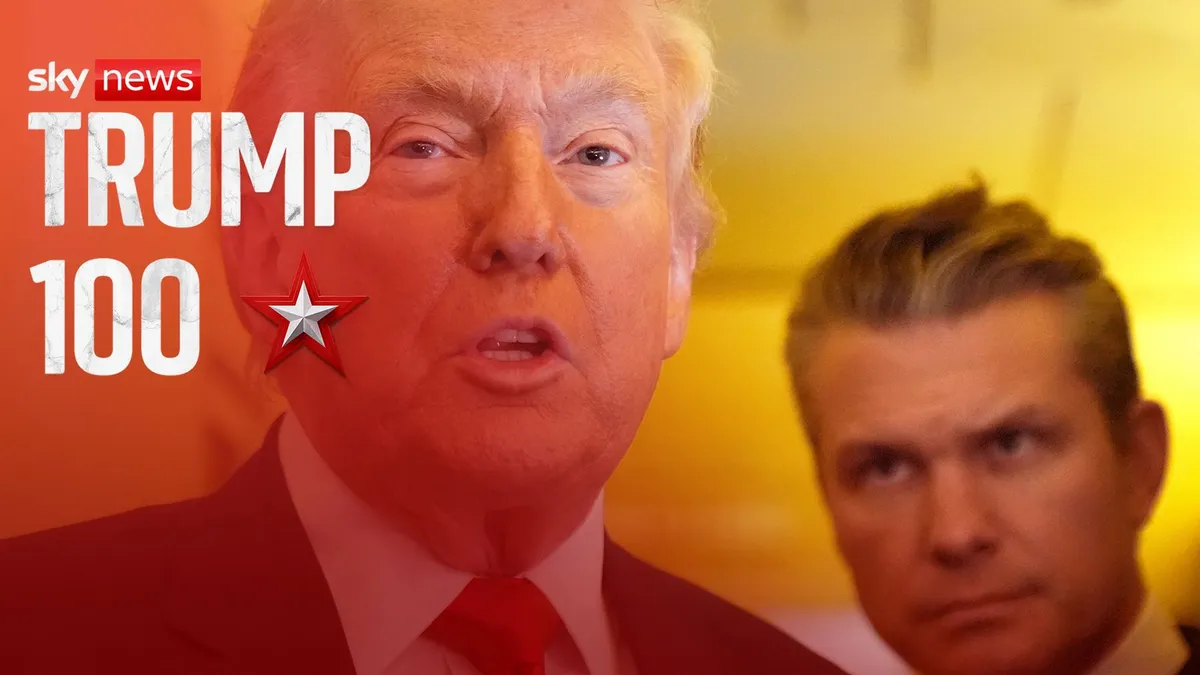
However, the landscape changed dramatically with the appointment of Pete Hegseth as the Pentagon chief. On March 10, 2026, Hegseth warned that this day would mark the most intense series of US strikes against Iran to date. Under his leadership, the US military has already struck over 5,000 targets in Iran, including the destruction of more than 50 Iranian naval vessels. Hegseth’s declaration that the US would not relent until the enemy is totally and decisively defeated signals a stark departure from previous strategies.
Immediate Effects on the Conflict
The immediate effects of this shift have been significant. Hegseth accused Iran of using civilian infrastructure, such as schools and hospitals, to launch missile attacks, leading to tragic civilian casualties. Notably, a strike on an all-girls school resulted in the deaths of more than 165 individuals, most of whom were children. This incident has raised serious concerns about the humanitarian impact of the ongoing military operations.
Expert Perspectives on the Shift
Experts have noted that Hegseth’s approach represents a departure from the US’s previous engagements in the region. He emphasized that this conflict would not turn into another open-ended forever war, contrasting sharply with the prolonged military engagements seen in the past. Hegseth stated, “This is not 2003. This is not endless nation-building,” indicating a more focused military objective under the current administration.
Political Dynamics and Leadership Control
Political dynamics have also shifted with Hegseth’s emphasis on the president’s control over the timeline of the war. Donald Trump, who has threatened Iran with “death, fire, and fury” if it does not allow oil shipments to pass through the Strait of Hormuz, has positioned the US military’s actions as part of a broader strategy to neutralize Iranian threats. Hegseth’s assertion that the president has set a very specific mission reflects a more aggressive posture in US foreign policy.
Iran’s Response and Regional Implications
In response to the escalating military actions, Iranian officials have expressed defiance. Ali Larijani, a prominent Iranian politician, stated, “Those mightier than you have not been able to eliminate our nation. Those who have tried have become eradicated themselves.” This rhetoric underscores the potential for increased tensions and conflict in the region as both sides brace for further military engagements.
Uncertainties and Future Outlook
Despite the aggressive military strategy, uncertainties remain about the future of US-Iran relations. The exact timeline for the end of the war is unclear, and the impact of US strikes on Iranian civilian infrastructure remains uncertain. Details remain unconfirmed, leaving analysts and observers to speculate on the long-term consequences of this shift in military strategy.