Introduction
In a significant incident highlighting the challenges of maritime operations, two US Navy ships collided in the Pacific Ocean this past week. Such occurrences not only raise questions about naval safety protocols but also reflect on the preparedness of the fleet in increasingly congested waters.
Details of the Incident
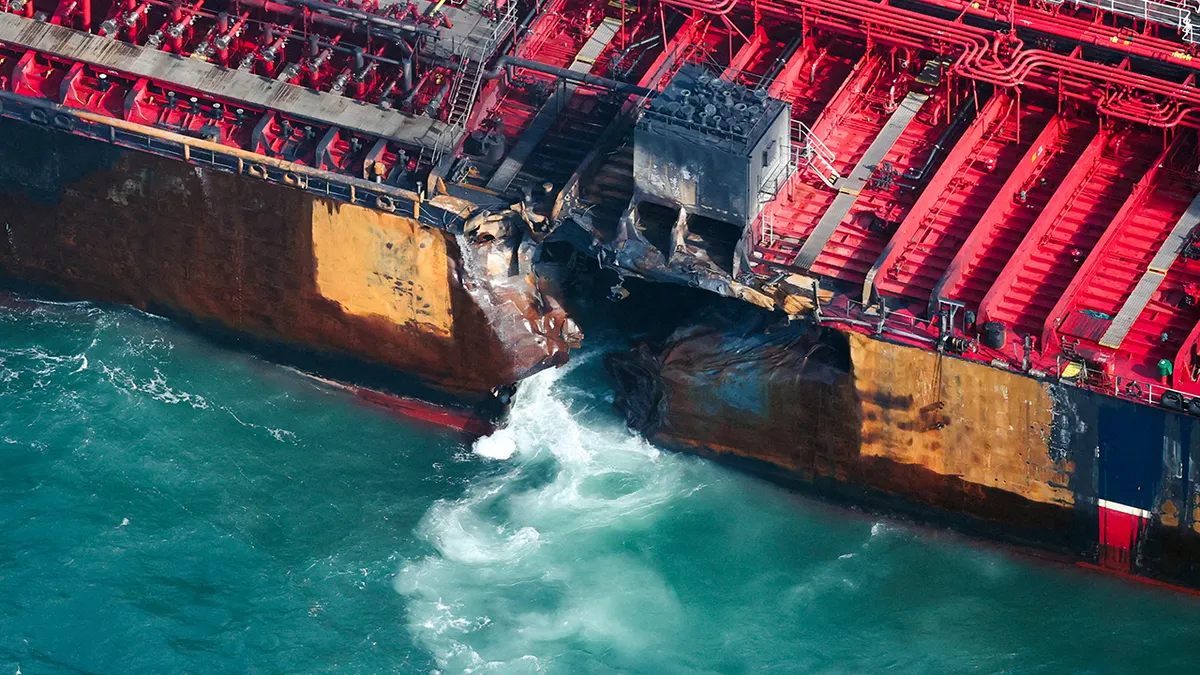
The collision occurred during routine training exercises when the USS John Paul Jones and the USS Stethem were navigating through busy maritime traffic. Initial reports indicate that the incident was attributed to a miscommunication among the ships and with command. Fortunately, there were no fatalities; however, several crew members sustained minor injuries and both vessels reported damages.
This collision adds to a troubling pattern of mishaps involving US Navy vessels, with several high-profile accidents in recent years. The Navy is facing scrutiny regarding its navigational procedures and the efficacy of its training programs. In 2017, a series of accidents, including the collision with a merchant vessel, led to a comprehensive review of operations, resulting in a call for improved safety protocols.
Implications for Naval Operations
The ramifications of such incidents extend beyond immediate safety concerns. Following the recent collision, senior Navy officials expressed their commitment to conducting an exhaustive investigation to prevent future occurrences. This includes reassessing operational guidelines and enhancing communication technologies aboard sea vessels.
Furthermore, the US Navy’s credibility in safeguarding international waters is at stake. As naval engagements become increasingly complex—often involving multiple national forces—the ability to coordinate effectively is paramount. This incident serves as a stark reminder of the need for enhanced training and vigilance.
Conclusion
The collision of US Navy ships is a critical event that reveals underlying issues within naval operations, pointing to a need for reform and robust safety measures. As investigations unfold, they will likely yield recommendations that could influence the future of naval protocols. Ongoing training and advancements in communication will be essential in ensuring the safety and effectiveness of naval operations. As the fleet faces growing operational demands, the lessons learned from this incident may prove crucial in maintaining the US Navy’s operational integrity and global standing.